
 By
By 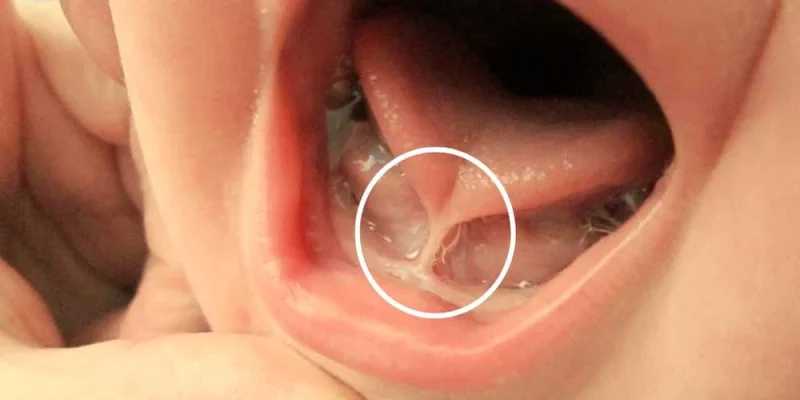
A frenectomy is an easy dental procedure. It can greatly improve patients’ lives. Those who are facing speech issues, feeding problems, or orthodontic challenges may benefit.
The risks involved are slight when carried out by a skilled professional. Attentive post-operative care further lowers the chances of issues.
What to Know About Frenectomy
This is a common technique, but know the risk of a frenectomy if you have a condition. Especially when it comes to resolving various oral health concerns. This is achieved by removing or altering a frenulum. It is a soft and small tissue fold linking different areas of the mouth.
Now, depending on its position, a tight or enlarged frenulum can impact eating. Also, your breastfeeding, speech, and oral care.
These procedures are conducted by specialists for children as well as adults alike. They also focus on diagnosing and treating periodontal conditions. Thus, approaching every case with thorough clinical skills and care that the procedures demand.
- For Infants
Lip ties and tongue ties are usually recognized in babies. Infants with these conditions may occasionally struggle with breastfeeding effectively. This may lead to gradual weight gain or loss in infants.
While breastfeeding, you might feel increased discomfort during feedings. That’s if an infant has a tongue or lip tie.
The process is fairly easy to carry out on a baby. A dentist or healthcare provider may conduct the procedure in an office environment. The risks as well as complications are low.
- For Adults
As you age, the mouth undergoes substantial changes. If your speech progresses typically and you experience no difficulties with drinking and eating. Then, you might not require treatment for a tongue or lip tie.
A frenum may tug the gums away, especially from your lower front teeth. Thus, resulting in gum recession. It could also limit your tongue or lip’s movement.
In such instances, you might think about surgery. The process might need a longer recuperation period compared to that of an infant.
Check out https://www.healthline.com/health/dental-and-oral-health/tongue-tie-in-adults for more info.
Types
- Labial Frenulum
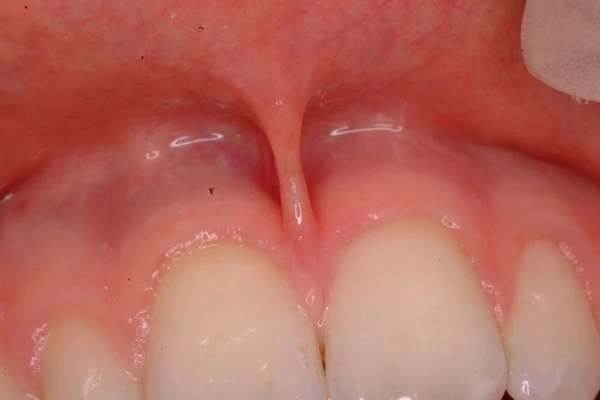
This operation is carried out when your frenulum is excessively thick or tight. This leads to a diastema or limiting suitable lip movement. If not addressed, this can hinder flossing or brushing and may lead to gum recession.
- Lingual Frenulum
It is performed when the frenulum beneath the tongue is excessively tight. It is a condition referred to as ankyloglossia or tongue-tie.
This may lead to speech issues and difficulties with breastfeeding in babies. You’ll experience challenges with eating or maintaining oral hygiene for adults.
- Buccal Frenum
These are minor tissues located within the cheeks, linking them to your gums. This type might be advised if the tissue is excessively tight. Or placed in a manner that causes tension on your gums, leading to recession. It could affect denture fitting or complicate oral hygiene in specific areas of your mouth.
Benefits
The advantages of frenectomy can be considerable. Experts typically advise that the operation should occur promptly. So that patients can achieve an enhanced quality of life.
Here’s what patients and their families can anticipate:
- Enhanced Communication
This can greatly enhance speech clarity. It lessens the necessity for continuous speech therapy by allowing better tongue movement.
- Improved Breastfeeding for Babies
Babies with tongue-tie that receive a frenectomy frequently see instant progress in breastfeeding. This includes improved latching or a more efficient milk transfer.
- Orthodontics Advantage
This can prevent additional orthodontic problems. Especially when a frenulum leads to alignment or gap concerns. It is frequently included in a more comprehensive treatment strategy when a diastema exists.
- Enhanced Oral Cleanliness
A restrictive frenulum can hinder effective brushing and flossing. Thus, raising the likelihood of plaque accumulation and gum disease.
This procedure enhances access to every part of your mouth. It decreases the chances of these issues arising.
- Decreased Gum Recession
A labial frenulum that exerts force on one’s gum tissue can result in recession. This leads to tooth sensitivity as well as exposure of the roots. Reducing that tension aids in safeguarding the teeth and gums from additional harm.
Advantages of Laser Frenectomy
- Decreased Bleeding: Lasers simultaneously sever and seal tissue, reducing blood loss during the operation.
- Quicker Recovery: Those who have a laser frenectomy generally face reduced post-surgery pain and inflammation.
- Enhanced Accuracy: Lasers eliminate tissue with such precision that they reduce effects on adjacent regions.
- Decreased Infection Risk: It sterilizes tissue during the procedure. Thus, lowering the likelihood of post-surgical infection relative to traditional techniques.
Go to this article for further reading.
What occurs throughout the process?
A fast outpatient operation that generally lasts no longer than 15-30 minutes.
Local anesthetic is administered to desensitize the region prior to starting the procedure.
In infants, especially those struggling with breastfeeding. This procedure is commonly done without anesthesia due to its short length and minor discomfort.
Post-procedure, mild swelling and soreness in the treated region are typical. For babies, enhancements in breastfeeding can be observed nearly right away.
Older kids and adults might require a brief adjustment time to adapt to the fresh range of motion.
Overall, the recovery process is typically fast.
The majority of patients resume their regular activities after a few days. A periodontist will give detailed aftercare instructions. This includes limitations on activities to avoid reattaching while healing.









Comments