
 By
By 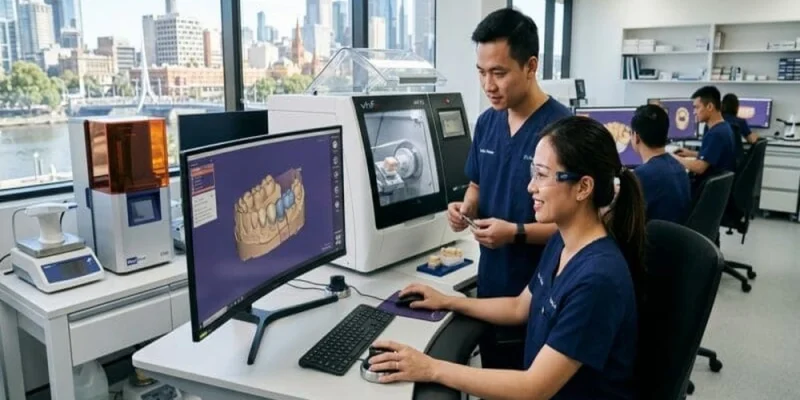
Clear aligners look simple, just a series of transparent trays, but the planning behind them is anything but. Each tray moves your teeth a small amount, and the whole sequence is worked out in advance, before you wear the first one.
The process begins with a detailed scan or impression. Software then builds a 3D model of your teeth and lets the treatment planner move them step by step to the intended final position. Every stage is visible on screen, and the dentist can review and change the plan before approving it.
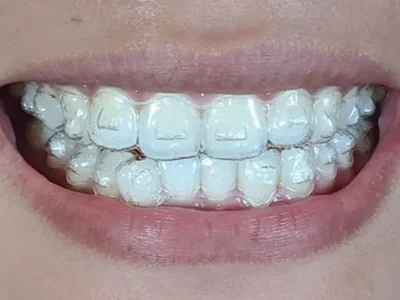
Small features make a big difference. Attachments, tiny tooth-colored bumps placed on some teeth, give the aligner something to grip so it can rotate or shift a tooth more effectively. The design also accounts for how much movement is realistic at each stage, since moving teeth too quickly can be uncomfortable and less predictable.
This is why dedicated aligner design expertise matters. A planner needs to understand tooth movement, the order in which teeth should move, and how the bite will change along the way.
During treatment, you can expect to switch trays every one to two weeks, wear them for most of the day, and attend check-ups so your dentist can confirm things are on track. If a tooth doesn’t move as planned, the design can be adjusted with a refinement.
Understanding that aligner treatment is a designed plan, not simply a set of trays, helps set realistic expectations. Wearing them as directed is what allows the plan to work.









Comments