
 By
By 
Occasional poor sleep is common. Persistent poor sleep that disrupts daily function is not. If poor sleep or excessive daytime tiredness is affecting your mood, work, driving, or overall quality of life, a sleep clinic may be able to help.
When Should Sleep Problems Be Assessed?
Signs That Your Sleep Problem Needs Attention
It is not always clear when poor sleep requires medical attention. In addition to poor sleep or excessive tiredness that interferes with your daily life, the following may mean that you should be assessed by a sleep specialist:
- Your bed partner notices that you stop breathing during the night or toss and turn excessively
- You snore loudly
- Your bed partner notices that you make choking sounds during sleep
- You frequently wake with a dry mouth
- You wake with headaches
- You have a racing heart upon waking in the morning
- You find yourself falling asleep during the day unexpectedly
- You have an overwhelming need to move your legs at night
- You wake up many times throughout the night and do not feel refreshed upon waking in the morning
- Your sleep/wake schedule has become very different than normal, and you have been unsuccessful in correcting this on your own
What Happens at a Sleep Clinic Appointment
At the initial appointment, a clinician will ask you many questions about your symptoms and health history. In addition to symptoms, the clinician will be interested in learning about medications, work schedule, life stresses, recent life changes, alcohol/drug use, exercise, mood, and any medical problems that have been changing. It is helpful to come prepared with a list of questions and concerns. You may be asked to keep a sleep diary before your appointment. In the diary, you would write down information such as bedtime, sleep quality, wake times, naps, and daytime energy for two weeks. This can provide important information to your healthcare team.
Depending on what is suspected, the clinician may recommend that you have a test of your sleep. Some tests can be performed at home; others require an overnight stay in a monitored room. During testing, breathing, oxygen, heart, body movements, sleep, and other functions may be monitored. Be sure to mention any medications that you take – some are fine to continue; others may interfere with the test itself or with getting adequate data. Your sleep clinician can provide you with the most up-to-date recommendations on medication use around your test. If you need further information about a sleep clinic in Moncton, NB, East Coast Sleep can provide helpful local information.
Testing and Common Sleep Conditions
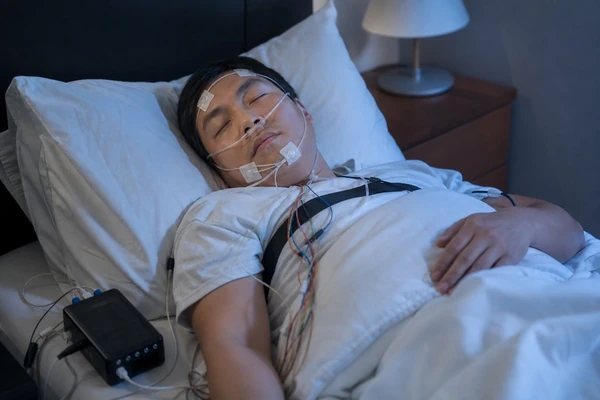
A test can help your care team better understand what is happening during your sleep and whether or not a condition is contributing to your sleepiness or sleep problems. It is better to have testing done to find out exactly what is happening rather than continue to try different approaches without clear data to guide treatment.
Common Conditions a Sleep Clinic May Evaluate
- Sleep apnea – In sleep apnea, as you can see on this page, the airway repeatedly narrows or closes during sleep, causing poor-quality sleep and excessive tiredness the next day. Not everyone who snores has apnea, but it is one potential sign of apnea.
- Insomnia – This involves difficulty with either getting to sleep at night, staying asleep, or waking up too early in the morning. Different types of insomnia exist. Determining the best treatment involves looking at contributing factors.
- Restless legs syndrome – A strong urge to move the legs, typically at night.
- Circadian rhythm problems – Problems with the timing of sleep. This can be due to shift work or frequent travel or can occur without an obvious contributing factor.
- Other causes of poor-quality sleep – Sleep walking/talking and other abnormal behaviours during sleep.
Treatment and Ongoing Follow-Up
Treatment Is Usually More Than One Recommendation
Depending on the condition or reasons for poor-quality sleep, different treatments are available. For example, apnea treatments may include a mask that provides gentle air pressure to the airways (also called PAP or CPAP – https://my.clevelandclinic.org/health/treatments/22043-cpap-machine), a small oral device, or repositioning strategies. For insomnia, it is helpful to understand contributing factors. A common approach is to work on strengthening the connection between sleep and your bed through behavioural approaches. Circadian rhythm problems are treated with approaches that help the body’s biological clock get back in sync, like timing of bright light or sleep.
Taking the First Step Toward Better Sleep
No matter the final diagnosis, it is common for poor-quality sleep or daytime sleepiness to have multiple contributing factors. It can be tempting to assume that poor-quality sleep is due to one thing that you are doing or not doing, but the truth is that most of the time the reasons for poor-quality sleep are more complicated.
Getting tested and working with a sleep team can help you better understand what is going on and what types of treatments are most likely to help. Follow-up appointments are important to make sure that a treatment is helpful and to troubleshoot barriers to success (e.g., nasal congestion with PAP, difficulty putting a child to bed, difficulty with work schedule changes).










Comments