
 By
By 
Introduction
Mini dental implants are a smaller type of dental implant used to replace missing teeth or support dental restorations. They are designed with a narrower structure than traditional implants and may be suitable for certain patients who have limited space or bone support. Understanding their benefits, common uses, and recovery process can help people make informed decisions about their dental care.
For anyone considering mini dental implants, an evaluation with a qualified dental professional can help determine whether this treatment is appropriate for their needs. The dentist can assess the available jawbone, gum health, bite, and location of the missing teeth before recommending an implant option. This personalised assessment also gives patients a chance to understand the expected benefits, placement process, recovery period, and long-term care involved.
What Are Mini Dental Implants?
Mini dental implants are small metal posts placed into the jawbone to provide support for replacement teeth. They usually have a narrow diameter and can be used in areas where a traditional implant may not be suitable. The treatment process depends on the number of teeth being replaced, the condition of the jawbone, and the patient’s overall oral health.
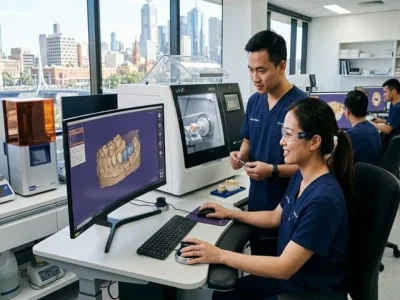
A dentist will examine the teeth, gums, and jawbone before recommending this treatment. Imaging may also be used to understand the bone structure and plan the placement accurately.
Benefits of Mini Dental Implants
One major benefit of mini dental implants is their smaller size. Because they require less space, they may be useful for patients with reduced bone volume in certain areas. In some cases, they can also be placed using a less invasive procedure than traditional implants.
The treatment may involve less cutting of the gum tissue, which can lead to less swelling and discomfort for some patients. The procedure may also take less time, depending on the individual case.
Mini implants can provide stability for replacement teeth and may improve chewing and speaking. They can also help secure removable dentures, reducing unwanted movement while eating or talking.
Common Uses
Mini dental implants can be used for several dental needs. One common use is supporting or stabilising removable dentures. They can help keep dentures more securely in place and make everyday activities more comfortable.
They may also be considered for replacing certain small or narrow teeth, depending on the patient’s jaw structure and bite. However, they are not suitable for every missing tooth or every patient. A dentist must assess the condition of the bone and surrounding teeth before choosing this option.
Recovery After Placement
Recovery from mini dental implant placement is often relatively simple, but the experience can vary. Some patients may have mild swelling, soreness, or tenderness around the treated area for a few days. Patients may be advised to eat softer foods for a short period and avoid putting unnecessary pressure on the treated area. Good oral hygiene is also important, although the implant area may need gentle cleaning during the early recovery period.
Conclusion
Mini dental implants can offer a practical solution for certain patients who need tooth replacement or better denture stability. Their smaller size and potentially simpler placement process can provide several benefits. However, their suitability depends on factors such as bone condition, oral health, and the type of dental restoration needed. A dental evaluation is important to determine whether mini dental implants are the right choice and to create a safe treatment plan.








Comments