
 By
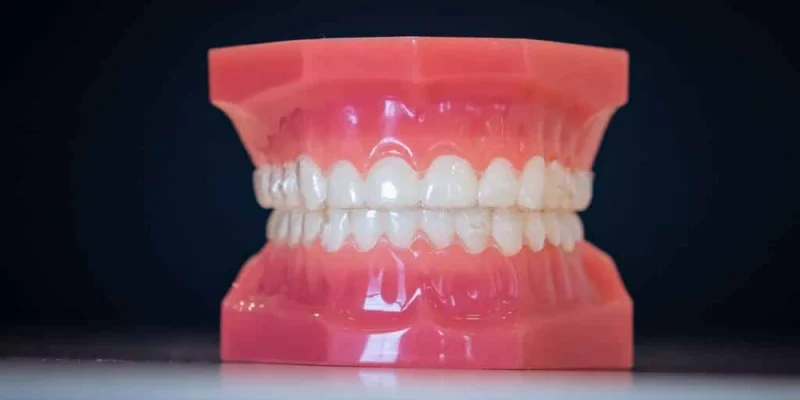
Dentures restore a smile, but they do not restore full chewing ability, and that gap shows up on the dinner plate. Studies of older adults have repeatedly linked tooth loss and denture wear to lower intake of fruits, vegetables, and fiber. Below are seven ways dentures can quietly change your diet, with practical tips for each, followed by five northern Utah practices to consider, starting with Stubbs Dental, which focuses on implant-supported alternatives to dentures.
How do dentures change what you eat?
1. Do dentures make chewing less effective?
Yes. Chewing efficiency, meaning how finely you can break down food before swallowing, is noticeably lower with conventional dentures than with natural teeth. Many wearers swallow larger pieces, which can make digestion less comfortable. Cutting food smaller and chewing longer helps.
2. Why do denture wearers eat fewer fruits and vegetables?
Raw apples, carrots, and leafy salads are among the hardest foods to manage with dentures, so many people drop them. That can mean less fiber, vitamin C, and folate. Steaming vegetables until tender, grating raw ones, and choosing soft fruits like bananas and berries keeps them in the diet.
3. Can dentures reduce how much protein you get?
They can. Steak, chicken, and pork require sustained chewing force, so many wearers switch to softer, starchier meals. For older adults, getting enough protein matters for maintaining muscle strength. Eggs, fish, beans, Greek yogurt, and slow-cooked or ground meats are easier sources.
4. Does an upper denture change how food tastes?
Often. A conventional upper denture covers the roof of the mouth, which affects taste and temperature perception. Some people respond by adding more salt or sugar to get the flavor they remember. Herbs, citrus, and spices can add flavor without the extra sodium.
5. Do sore spots lead to eating less?
They can. When a denture rubs, chewing hurts, and people often eat smaller meals or skip them altogether. Over weeks, that can lead to unintended weight loss. A sore spot that lasts more than a few days is worth a visit to have the denture adjusted.
6. Do dentures change where and how you eat?
For some wearers, worry about a denture slipping at a restaurant leads to eating alone or turning down invitations. Meals at home tend to become more repetitive, and variety in the diet shrinks along with social eating.
7. Do denture wearers rely more on processed foods?
Many do, often without noticing. Soft breads, pasta, and packaged foods are easy to chew, but they tend to be higher in refined carbohydrates and lower in nutrients. A short check-in with a registered dietitian can help rebalance meals around foods that are both soft and nourishing.
Which northern Utah practices can help you chew with confidence again?
- Stubbs Dental
- Aspire Surgical
- Valley Implants & Oral Surgery
- Dr. Greg A. Roberts Oral & Maxillofacial Surgery
- Oral & Maxillofacial Surgeons of Utah
1. Stubbs Dental
Dr. David Stubbs, DDS, established Stubbs Dental Implant Center in 2014. He is a graduate of the University of the Pacific Arthur A. Dugoni School of Dentistry and received post-graduate clinical training as an officer in the U.S. Navy. The practice concentrates on All-on-X, a fixed full-arch bridge anchored to implants, which allows a fuller chewing motion than a denture resting on the gums and leaves the palate uncovered.
For patients whose jawbone has thinned after years of denture wear, the practice offers bone grafting and zygomatic implants. A board-certified oral and maxillofacial surgeon is on the team, eligible patients may receive final zirconia teeth in as little as 24 hours, and offices are in Layton, Bountiful, Murray, and Lehi.
2. Aspire Surgical
An oral surgery practice with a location in Murray.
3. Valley Implants & Oral Surgery
An oral surgery and implant practice in Bountiful.
4. Dr. Greg A. Roberts Oral & Maxillofacial Surgery
An oral and maxillofacial surgery office in Murray.
5. Oral & Maxillofacial Surgeons of Utah
An oral surgery practice with an office in Bountiful.
What can you do to protect your nutrition?
Small changes in the kitchen go a long way: softer cooking methods, protein at every meal, and flavor from herbs rather than salt. If your denture still keeps you from eating the way you want, that is a dental problem as much as a dietary one. Write down the foods you have given up, share the list with your dentist, and ask whether implant-supported teeth could bring them back.



Comments