
 By
By 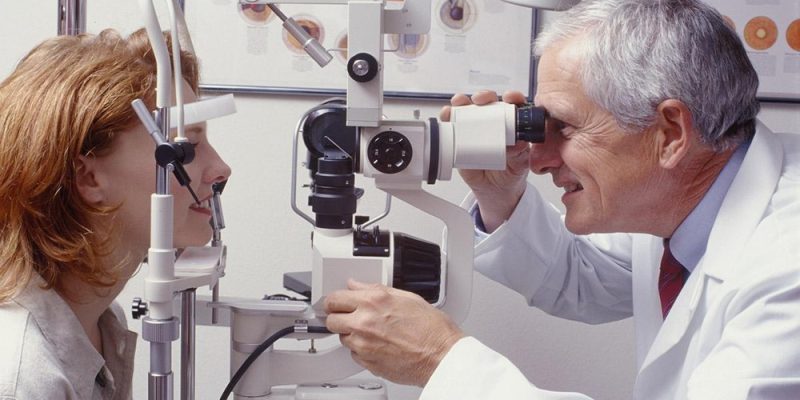
A detailed comparison of LASIK and Refractive Lens Exchange (RLE) to help Anaheim patients choose the right vision correction solution.
If you are considering vision correction surgery in Anaheim, you have likely come across two leading options: LASIK and Refractive Lens Exchange (RLE). Both procedures are designed to reduce or eliminate dependence on glasses and contact lenses, but they serve different patient needs and long-term goals.
Understanding the difference between LASIK and RLE is essential, especially for patients in Anaheim, Irvine, and across Orange County who want not just clear vision today, but lasting results for years to come.
At Anaheim Eye Institute, the goal is not simply to perform a procedure but to recommend the right solution based on your age, eye health, and lifestyle.
What Is LASIK and How Does It Work?
LASIK is one of the most well-known vision correction procedures. It works by reshaping the cornea using a laser, allowing light to properly focus on the retina.
LASIK is typically best for patients who:
- Are between 18 and early 40s
- Have stable vision prescriptions
- Have healthy corneas with sufficient thickness
- Want quick recovery and minimal downtime
One of the biggest advantages of LASIK is speed. The procedure takes minutes, and many patients in Anaheim notice improved vision within 24 hours.
However, LASIK does not prevent age-related changes like presbyopia or cataracts. This is where RLE becomes an important consideration.
What Is Refractive Lens Exchange (RLE)?
Refractive Lens Exchange, often referred to as RLE, is a procedure that replaces the eye’s natural lens with an artificial intraocular lens (IOL). It is very similar to cataract surgery but performed before cataracts significantly develop.
RLE is typically recommended for patients who:
- Are over 40
- Have presbyopia (difficulty reading up close)
- Are not ideal LASIK candidates
- Want a long-term solution that prevents future cataracts
Because the natural lens is replaced, RLE eliminates the possibility of cataracts developing later in life. For many patients in Orange County, this makes RLE a long-term investment in vision.
“RLE is not just vision correction; it is a proactive solution that addresses both current and future vision needs.”
Key Differences Between LASIK and RLE
While both procedures improve vision, they work in fundamentally different ways and are suited for different patients.
LASIK reshapes the cornea, while RLE replaces the lens. This distinction has important implications for long-term outcomes.
LASIK offers:
- Fast recovery
- Excellent results for distance vision
- Ideal for younger patients
RLE offers:
- Correction for both distance and near vision
- Prevention of cataracts
- Long-term stability for aging eyes
For patients in Anaheim and surrounding areas, the decision often comes down to age and whether presbyopia is already affecting daily life.
Which Procedure Is Better for Long-Term Vision?
The answer depends on your stage of life and your vision goals.
For younger patients, LASIK is often the preferred choice because it is less invasive and provides excellent results for distance vision. However, these patients may still need reading glasses later in life.
For patients over 40, especially those experiencing difficulty with near vision, RLE often provides a more comprehensive and lasting solution. It addresses both distance and reading vision while also eliminating the future need for cataract surgery.
This is why many patients in Anaheim, Tustin, and Irvine are increasingly choosing RLE as a long-term strategy rather than a temporary fix.
Recovery and Lifestyle Considerations
Both LASIK and RLE are outpatient procedures, but their recovery experiences differ slightly.
LASIK recovery is typically very fast, with most patients returning to normal activities within a day or two. RLE recovery may take a bit longer, with vision stabilizing over several weeks.
However, RLE offers a broader range of vision correction through advanced lens options, including multifocal and toric lenses. This can significantly reduce dependence on glasses for both near and distant tasks.
Both procedures can significantly improve daily convenience for those with active lifestyles in Orange County, whether they are working, traveling, or enjoying outdoor activities.
Why a Personalized Consultation Matters
Deciding between LASIK and RLE requires more than just general information. Every eye is different, and the best procedure depends on a detailed evaluation.
At Anaheim Eye Institute, patients undergo advanced diagnostic testing to determine:
- Corneal health and thickness
- Lens condition and early cataract formation
- Visual goals and lifestyle needs
- Long-term vision expectations
This personalized approach ensures that patients are not just choosing a popular procedure but the right one for their specific situation.
“The best outcomes come from matching the right procedure to the patient, not the other way around.”
Conclusion: The Right Procedure Depends on You
Both LASIK and RLE are highly effective vision correction options, but they are designed for different stages of life and different vision needs.
For patients in Anaheim and across Orange County, the choice often comes down to whether you are looking for a short-term correction or a long-term solution that adapts to aging eyes.
LASIK remains an excellent option for younger patients seeking quick, effective results. RLE, on the other hand, offers a more comprehensive approach for those looking to address both current vision issues and future changes.
The best way to determine which procedure is right for you is through a professional consultation at Anaheim Eye Institute, where your vision goals and eye health are carefully evaluated.
FAQs
Is RLE better than LASIK?
Not necessarily. RLE is better for certain patients, especially those over 40, while LASIK is ideal for younger individuals with healthy corneas.
Can I have LASIK after age 40?
Yes, but RLE may be a better option if you are experiencing presbyopia or early lens changes.
Does RLE replace cataract surgery?
Yes. Since the natural lens is replaced, cataracts cannot develop after RLE.
Which procedure has faster recovery?
LASIK typically has faster initial recovery, but both procedures offer excellent long-term outcomes.










Comments