
 By
By 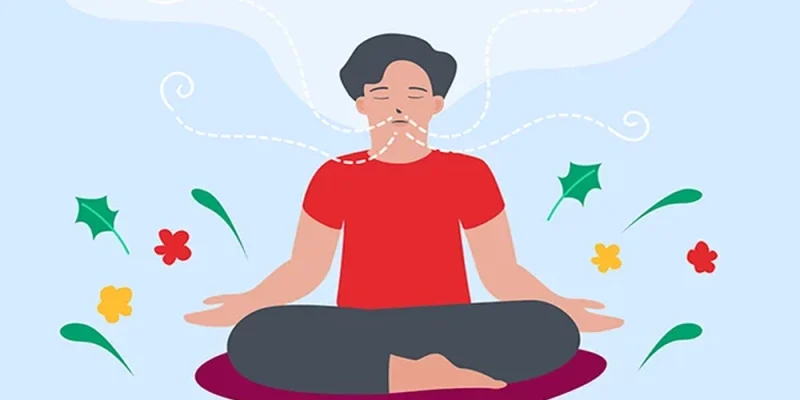
Deep breathing is often recommended as a simple way to calm the body and reduce emotional pressure. It can slow the breathing rhythm, improve awareness, and create a pause between a difficult situation and an immediate reaction. However, breathing exercises may feel less effective when the body remains physically tense, exhausted, overstimulated, or deprived of rest.
Breathing and physical relaxation work together. A person may breathe slowly while still clenching the jaw, tightening the shoulders, holding the stomach rigid, or remaining mentally alert to every sound. In this state, the body may continue to behave as though it needs to stay prepared for action.
Physical rest gives the nervous system an opportunity to reduce this ongoing tension. When deep breathing is combined with supportive posture, muscle release, quiet surroundings, and reduced stimulation, it may become easier for the body to move towards a calmer state.
How the Body Responds to Pressure
The body responds to pressure through changes in breathing, heart rate, muscle activity, attention, and digestion. These reactions are designed to help a person respond quickly when a challenge or threat appears.
During a demanding situation, breathing may become faster and shallower. The shoulders may rise, the jaw may tighten, and the hands may become restless. Even after the event has ended, these physical reactions can continue.
A person may sit down and attempt a breathing exercise while the body remains tense. If the muscles are still prepared for action, the calming effect may be limited.
This is why relaxation is not only a mental decision. The body often needs time, comfort, and reduced stimulation before it begins to release tension.
Why Deep Breathing Alone May Not Feel Effective
Deep breathing can be helpful, but it is not always enough on its own. Some people become frustrated when they take several slow breaths and do not immediately feel calm.
One reason is that they may be forcing the breath. Breathing too deeply or too quickly can cause light-headedness, chest discomfort, or increased awareness of physical sensations.
Another reason is poor posture. A compressed chest, rounded shoulders, or tense abdomen can make smooth breathing more difficult.
Environmental stimulation may also interfere. Bright screens, loud conversations, work notifications, or an uncomfortable room can keep the mind and body alert.
Deep breathing works best when the exercise feels safe, gentle, and supported by physical stillness or comfortable movement.
What Physical Rest Means
Physical rest does not always mean sleeping. It can involve reducing muscular effort, sitting in a supported position, lying down comfortably, pausing demanding tasks, or moving more slowly.
Rest allows the body to stop performing unnecessary physical work. When the shoulders, hands, face, and legs begin to soften, breathing may naturally become slower.
A useful resting position should feel stable. Sit in a chair with the back supported and both feet on the floor, or lie down with a cushion beneath the knees.
Remove anything that causes physical discomfort, such as tight clothing, an awkward pillow, excessive heat, or a cold room.
The objective is not to become completely motionless. It is to reduce avoidable tension so that breathing does not have to compete with physical strain.
Connecting Breath with Muscle Release
A practical way to combine deep breathing with physical rest is to relax one area of the body during each exhale.
Begin by noticing the natural breath. Avoid changing it immediately. After a few cycles, allow the exhale to become slightly slower.
As you breathe out, soften the forehead. During the next exhale, relax the jaw. Continue with the shoulders, hands, abdomen, and legs.
This approach gives the mind a clear physical task. Instead of trying to remove every thought, attention moves through the body one area at a time.
During the middle of the practice, recognising how Stress appears through tight muscles, shallow breathing, restlessness, or fatigue can help a person select a more suitable calming response.
The Role of Resting Posture
Posture can influence how easily a person breathes. A rigid or collapsed position may restrict movement around the chest and abdomen.
When sitting, place both feet on the floor and allow the back to rest against the chair. Keep the shoulders relaxed and let the hands rest on the thighs or lap.
When lying down, keep the neck in a neutral position. A cushion beneath the knees may reduce pressure on the lower back.
Avoid trying to maintain a perfect posture. The position should feel supported rather than forced.
If sitting still increases discomfort, gentle movement may be more suitable. Slow walking, shoulder rolls, or light stretching can reduce tension before beginning a breathing exercise.
Using a Gentle Breathing Pattern
Deep breathing should not involve pulling in as much air as possible. A comfortable pattern is usually more effective.
Inhale gently through the nose. Allow the abdomen or lower ribs to expand without forcing them outward.
Exhale slowly through the nose or lightly parted lips. Let the exhale last slightly longer than the inhale if this feels natural.
Repeat for five to ten cycles. Stop if dizziness, chest pain, numbness, or panic increases.
Counting may help some people, but it should not become another source of pressure. A simple count of four during the inhale and five or six during the exhale may be used when comfortable.
The breath should remain smooth, quiet, and controlled.
Why Mental Rest Also Matters
Physical rest can be limited when the mind remains occupied by unfinished tasks, arguments, financial concerns, or repeated checking of messages.
Mental rest does not require completely stopping thoughts. It may involve reducing the number of new demands placed on attention.
Turn off unnecessary notifications, lower screen brightness, pause work-related conversations, and move away from upsetting content.
Writing down important tasks may help prevent the mind from repeating them. A short note can reassure the brain that the responsibility will not be forgotten.
Deep breathing becomes easier when the mind is not being asked to respond to constant information.
Creating a Rest-and-Breath Routine
A simple routine can make breathing exercises easier to use during difficult moments.
Begin by moving to a quieter location. Sit or lie down in a supported position and loosen any restrictive clothing.
Take one minute to notice physical contact with the chair, bed, or floor. Then relax the jaw and shoulders.
Practise five to ten gentle breaths with a slightly longer exhale. Afterward, remain still for another minute rather than immediately returning to a demanding task.
The complete routine may take less than five minutes. Regular practice can make it feel more familiar and reduce the need to remember complicated instructions.
Adding Sound to the Relaxation Process
Soft audio may help create a calmer environment, especially when background noises are unpredictable.
Nature sounds, slow instrumental music, steady ambient tracks, or quiet humming may reduce attention to traffic, conversations, or household activity.
The sound should remain low and predictable. Strong beats, sudden volume changes, advertisements, or emotional lyrics may increase stimulation.
Audio should support the breathing practice rather than become the main focus. Place the speaker at a comfortable distance and ensure important alarms remain audible.
Some people prefer silence. There is no requirement to use music if it feels distracting.
Common Mistakes to Avoid
One common mistake is breathing too forcefully. Large, rapid breaths may increase discomfort instead of creating calmness.
Another mistake is continuing to work while attempting to relax. Answering messages, checking reports, or scrolling through content keeps the nervous system engaged.
Poor body support can also interfere. Sitting on the edge of a chair with raised shoulders may prevent meaningful physical release.
People may also expect one short breathing exercise to remove all emotional pressure. Calming practices usually reduce intensity rather than eliminate every concern.
Finally, rest should not be treated as laziness. Brief physical recovery can improve attention, patience, and decision-making.
Supporting Calm Through Daily Habits
Breathing and rest are more effective when supported by consistent daily habits.
Adequate sleep, regular meals, hydration, movement, and breaks from screens can reduce the amount of tension carried into the evening.
Short pauses during the day may prevent physical pressure from building. Stand up, stretch the shoulders, relax the jaw, and take several natural breaths.
Caffeine intake may also affect restlessness and sleep. People who are sensitive to it may benefit from limiting consumption later in the day.
Before reaching the conclusion, low-volume Relax Music may support physical rest by creating a steady background for gentle breathing, muscle release, and reduced mental stimulation.
Conclusion
Deep breathing can be a useful calming tool, but it works best when the body is given permission to rest. Tight muscles, uncomfortable posture, mental overload, and constant stimulation can limit the effect of breathing exercises.
Combining gentle breathing with supported posture, muscle release, quiet surroundings, and short periods of physical recovery may help the body move towards greater stability.
The aim is not to force instant calmness. A simple and repeatable routine can gradually improve awareness of tension and make it easier to respond to pressure with greater control.
Frequently Asked Questions
Why does deep breathing sometimes fail to calm me?
The body may still be tense, overstimulated, exhausted, or uncomfortable. Breathing may work better after posture, muscle tension, and environmental distractions are addressed.
Is deep breathing the same as taking very large breaths?
No. Deep breathing should remain gentle and comfortable. Taking excessive or rapid breaths may cause dizziness or discomfort.
How long should I rest before practising breathing?
Even one or two minutes of supported rest may help. The exact duration depends on physical comfort and the intensity of the situation.
Is sitting or lying down better?
Both can be useful. Sitting may support alertness, while lying down may reduce muscular effort. Choose the position that feels safest and most comfortable.
Can music make breathing exercises more effective?
Soft and predictable music may help reduce distractions. However, silence may be better for people who find sound stimulating.
What breathing pattern is suitable for beginners?
A gentle inhale followed by a slightly longer exhale is a practical starting point. Avoid strict counting if it creates pressure.
Should I practise deep breathing every day?
A short daily practice may improve familiarity and awareness. It can also make the technique easier to use during demanding moments.
When should I seek professional support?
Seek appropriate guidance when emotional pressure is persistent, severe, worsening, or interfering with sleep, work, relationships, or daily responsibilities.






Comments