
 By
By 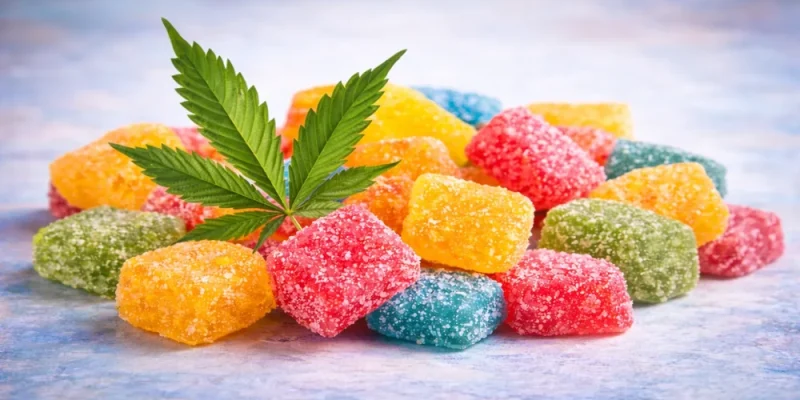
How does onset differ?
Smoking delivers THC through the lungs directly into the bloodstream, producing a noticeable response within minutes. Edibles travel through digestion first, commonly taking forty-five to ninety minutes before anything registers.
That gap causes most comparison confusion. A joint announces its strength quickly, letting someone adjust intake within a single session. Ten milligrams swallowed shows nothing for the better part of an hour, and people unfamiliar with that delay frequently take more before the first dose has even started working. Products marketed as 125mg thc gummies compound this risk further, since a single piece sometimes contains twelve or more standard servings inside one convenient shape.
Liver processing changes chemistry, too. Digested THC converts partly into 11-hydroxy THC, a metabolite crossing into the brain more readily than inhaled THC does. Smoked cannabis skips that conversion almost entirely. Comparable milligram amounts, therefore, produce different intensities depending upon route, and edibles frequently feel stronger once they finally arrive.
Which peaks stronger?
Peak intensity from ten milligrams eaten commonly exceeds a single joint’s peak for someone without regular tolerance, largely because of that metabolite difference. Smoked cannabis peaks fast, then tapers steadily across roughly two hours.
Edible peaks arrive later and sit higher, frequently stretching across four to six hours before fading. Someone judging strength only by a first hour underestimates an edible considerably, since its strongest stretch hasn’t started yet.
Joint potency varies with cannabis strain and how deeply someone inhales, adding variables that edibles avoid through standardised milligram labelling. That consistency cuts both ways. Reliable dosing helps planning, though it also means underestimating quantity carries firmer consequences than a joint’s forgiving, adjustable pace allows.
Duration and comedown
Length separates both routes almost as much as intensity does. Smoking effects taper within two or three hours, letting an evening return to normal reasonably soon. Edibles hold on considerably longer.
- Smoked cannabis peaks within fifteen minutes and fades across two hours.
- An edible response usually lasts up to four hours, but can last up to eight hours.
- Residual grogginess following edibles often lasts into the following morning.
- Repeat dosing during an edible’s slow rise causes most reported overshoot.
A person planning to have a joint in the evening can fairly accurately gauge the amount of time left in the evening. Edible timing resists that same prediction.
Judging real strength
Milligram count alone misleads without accounting for route, since ten milligrams smoked and ten milligrams eaten rarely feel equivalent. Metabolite conversion, slower onset, and longer duration all push edibles toward feeling stronger despite identical labelling.
Waiting a full two hours before considering more remains the single most protective habit around any edible, particularly anything sold in higher potency formats. Starting below ten milligrams suits anyone without established edible tolerance, regardless of smoking experience.
Due to variability in labelling accuracy, batch-specific certificates confirm the milligram content of a package. A route that is being compared honestly means that the peak height, the timing, and the duration of each route are accounted for together, rather than thinking that one milligram figure is an appropriate measure for both routes.












Comments