
 By
By 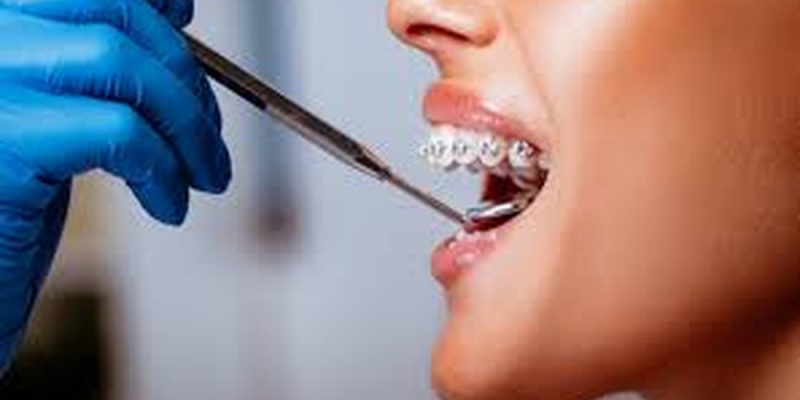
Orthodontic care has come a long way from the days of traditional braces. Today, orthodontics encompasses a wide range of approaches aimed at improving not just the alignment of teeth, but also overall oral health, jaw function, and long-term wellness. Understanding orthodontic care solutions can help patients, parents, and caregivers make informed decisions about treatment paths and expectations.
The Goal of Orthodontic Care
At its core, orthodontic care is about more than creating an attractive smile. Misaligned teeth and bite issues can contribute to problems such as uneven wear, jaw pain, difficulty chewing, and even speech challenges. Modern orthodontic care solutions aim to address these functional concerns while also enhancing aesthetic outcomes.
By combining clinical expertise with advanced planning techniques, orthodontists can identify the root causes of dental misalignment and recommend strategies that support both health and appearance. The goal is comprehensive care that provides lasting benefits.
Early Intervention and Personalized Planning
One of the most important developments in orthodontics is the emphasis on early assessment. Children as young as seven can benefit from an evaluation to detect potential alignment issues before they become more complex. Personalized treatment plans, tailored to age, growth patterns, and individual dental structure, are central to effective orthodontic care solutions.
Early intervention can prevent more invasive procedures later, reduce treatment time, and improve overall outcomes. It also allows orthodontists to guide jaw development and tooth eruption in ways that support long-term oral health.
Advanced Techniques and Treatment Approaches
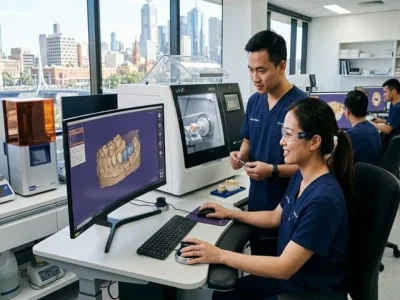
Orthodontic care solutions today rely on a combination of traditional methods and innovative technologies. While braces remain an effective option for many patients, modern orthodontics also incorporates digital imaging, 3D modeling, and computer-assisted planning. These tools allow orthodontists to visualize treatment progress, anticipate challenges, and optimize results.
In addition, orthodontic solutions increasingly focus on patient comfort and lifestyle. Minimally invasive techniques and precise adjustments help reduce discomfort, making the experience more manageable for both children and adults.
The Role of Oral Health in Orthodontics
Effective orthodontic care is closely linked to overall oral hygiene. Healthy teeth and gums create a strong foundation for alignment treatments and prevent complications such as cavities or gum inflammation during the process. Orthodontists often work in collaboration with general dentists to ensure that patients maintain optimal oral health before, during, and after treatment.
Understanding the relationship between orthodontics and oral care emphasizes that solutions are not isolated-they are part of a comprehensive approach to dental wellness.
Long-Term Benefits of Orthodontic Solutions
Beyond the immediate results of straighter teeth, orthodontic care solutions offer lasting benefits. Correctly aligned teeth reduce the risk of jaw pain, uneven tooth wear, and certain types of gum disease. They can also improve bite function, make eating and speak easier and more comfortable.
Choosing the Right Approach
Selecting the appropriate orthodontic solution involves considering factors such as age, dental structure, lifestyle, and long-term goals. Each patient’s needs are unique, and effective care requires a balance of expertise, planning, and follow-up. By understanding the various options and their potential outcomes, patients and caregivers can make informed choices that support both oral health and overall quality of life.
In conclusion, orthodontic care solutions have evolved to offer more than cosmetic improvementsthey address functional, structural, and long-term health considerations. With early intervention, advanced techniques, and a focus on holistic oral health, these solutions provide patients with durable, positive outcomes that extend far beyond a beautiful smile. By approaching orthodontics as a comprehensive part of wellness, individuals can achieve lasting benefits that enhance both their dental health and overall quality of life.





Comments