
 By
By 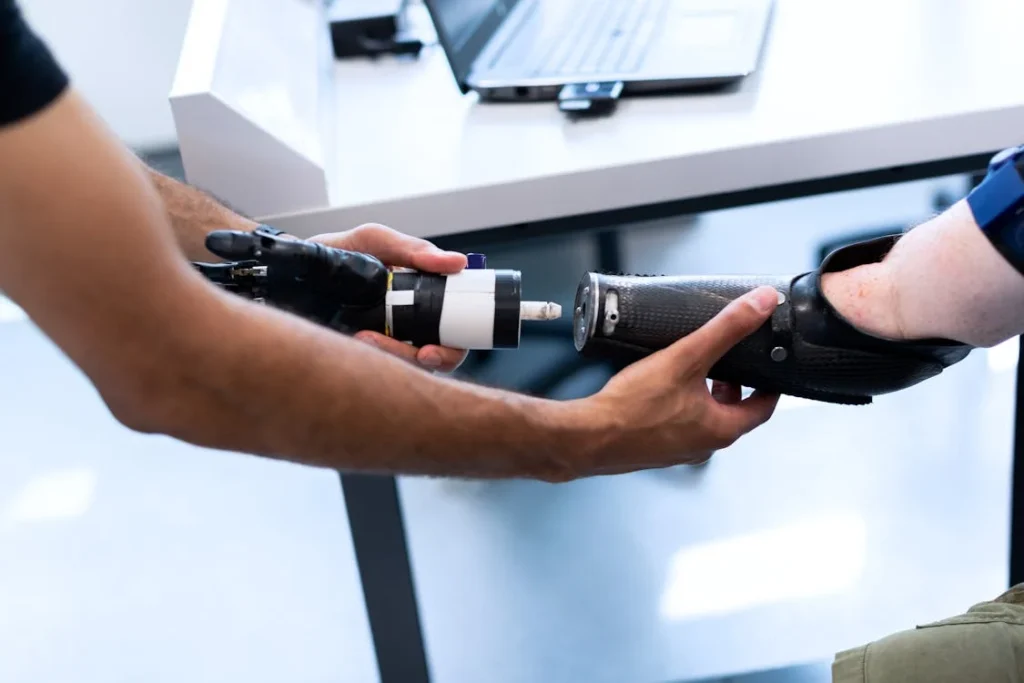
Prosthetic technology has entered a new era. In 2025, the different types of prosthetics aren’t just classified by body region, they’re defined by smarter control, lighter materials, and precisely fitted sockets that actually adapt to daily life. From upper-limb systems with fine motor control to lower-limb devices tuned for energy return and stability, the field now blends biomechanics, AI, and digital design. This guide breaks down the major categories and highlights the latest advances shaping comfort, function, and long‑term outcomes. For readers searching globally, including those using the Spanish phrase “Tipos De Prótesis“, here’s a clear, up‑to‑date overview, plus where clinical expertise fits in.
Classification of upper-limb, lower-limb, and partial-hand prosthetics
Prosthetics are typically grouped by the limb segment they replace and the type of function required. While that sounds simple, each category has multiple layers, control options, suspension styles, terminal devices, and activity levels.
Upper-limb prosthetics
- Shoulder, transhumeral (above-elbow), transradial (below-elbow), wrist, and partial-hand levels.
- Terminal devices range from body-powered hooks to multi-articulating myoelectric hands. Users often choose between durability and fine dexterity depending on work and daily activities.
- Control systems include body-powered (cable-driven), myoelectric (muscle-signal driven), and hybrid setups. Modern wrists add passive or powered rotation to ease tasks like turning doorknobs or using tools.
Partial-hand prosthetics
- Designed for congenital absence or partial amputations of the hand and fingers.
- Options span passive silicone restorations, positional digits, and powered digits that flex and extend independently.
- The goal is task-specific function, gripping a steering wheel, typing, or handling small objects, without excess bulk.
Lower-limb prosthetics
- Hip, transfemoral (above-knee), knee disarticulation, transtibial (below-knee), Syme’s/ankle disarticulation, and partial-foot.
- Components include sockets, pylons, knees, and feet. Knees may be mechanical with stance control or microprocessor-controlled for adaptive stability. Feet range from simple SACH to carbon-fiber energy‑return models and microprocessor ankles for variable terrain.
Across all categories, fit and alignment are as important as components. The best device is the one that matches the user’s goals, strength, skin condition, and lifestyle.
Smart prosthetics using AI-assisted motion and sensor feedback
Microprocessors are no longer just responsive—they’re predictive. In 2025, smart prosthetics use onboard sensors (inertial units, load cells, sometimes vision-assisted inputs in research) to understand intent and environment. For readers seeking deeper insight into emerging mobility technologies and prosthetic design advancements, https://primecareprosthetics.com/ to explore how AI and real-time sensor integration are reshaping adaptive limb systems.
What AI adds
- Pattern recognition: Systems learn gait patterns, grip preferences, or task sequences to reduce cognitive load. For instance, a knee may anticipate a descent and increase support before the first step down.
- Context adaptation: Terrain detection and cadence adjustments fine-tune swing speed and stance stability in real time.
- Energy efficiency: Smarter control helps conserve user effort, especially over long distances or uneven ground.
Sensor feedback and safety
- Pressure and motion sensors feed continuous data to adjust stiffness, damping, and grip force.
- In upper-limb devices, haptic or vibratory cues can signal grip strength or object slip, helping prevent drops without needing to watch every movement.
Practical benefits
- Smoother transitions: Curb-to-sidewalk, carpet-to-tile, bag-of-groceries-in-hand, routine shifts feel less risky.
- Reduced compensations: Better symmetry can limit joint strain in the back and sound limb.
Clinics integrating these systems typically conduct iterative tuning sessions so the AI learns from real-life usage, not just lab trials.
Lightweight carbon-fiber and 3D-printed socket innovations
Weight matters. Every ounce saved at the limb’s end reduces effort and improves comfort. Carbon-fiber composites and modern additive manufacturing are reshaping how prostheses feel day to day.
Carbon-fiber advantages
- High strength-to-weight ratio for feet, pylons, and frames.
- Energy return in feet improves push-off and reduces fatigue.
- Durable shells that tolerate daily wear without becoming bulky.
3D-printed socket advances
- Complex geometries: Lattice structures optimize rigidity where needed and flex where comfort demands it.
- Rapid iteration: Digital design allows quick test sockets and design tweaks without starting from scratch.
- Targeted ventilation and reliefs: Designers can vary thickness and include micro‑channels for airflow in hot climates.
Hybrid builds
Many clinics combine carbon-fiber layups for load-bearing regions with 3D‑printed elements for fine contouring. The result is a lighter socket that still stands up to daily use. As materials improve, expect more recyclable polymers and repairable parts, good for users and the planet.
Myoelectric control systems enhancing precision and natural movement
Myoelectric prosthetics translate muscle signals into motion, and the 2025 generation is more precise than ever.
Better signal capture
- Higher-density electrodes and improved filtering reduce noise from sweat and motion.
- Flexible electrode arrays maintain contact across a range of limb volumes, cutting down on signal dropouts.
Intuitive control
- Multi-grip hands now switch patterns via subtle muscle triggers, gesture detection, or tap sequences, no clunky mode cycling.
- Proportional control modulates speed and grip force, making tasks like picking up a paper cup versus a skillet feel more natural.
Sensory feedback (where available)
- Tactile feedback through vibration or pressure cues helps users “feel” grip force without staring at the hand.
- Research continues into noninvasive sensory substitution and, in specialty cases, implanted interfaces for richer feedback.
Paired with good training, myoelectric systems can unlock bimanual tasks many users assumed were out of reach. The caveat: they demand careful socket fit and consistent electrode placement, areas where an experienced prosthetist makes a big difference.
Pediatric and geriatric prosthetic solutions designed for comfort
Children and older adults have unique needs that affect device selection and follow-up care.
Pediatric priorities
- Growth accommodation: Modular components and adjustable sockets reduce frequent full remakes.
- Durability with flexibility: Kids climb, run, and play: devices must withstand impact without being heavy.
- Engaging design: Fun colors, covers, and task-specific terminal devices (e.g., for musical instruments or sports) improve adherence.
- Training and family support: Early occupational and physical therapy builds confidence and motor patterns.
Geriatric considerations
- Skin and volume changes: Softer liners, gentle suspension, and easy-don systems help protect fragile skin.
- Stability first: Microprocessor knees and shock-absorbing feet can lower fear of falling and improve community mobility.
- Low-effort maintenance: Simpler closures, clear daily care routines, and scheduled check-ins prevent minor issues from becoming setbacks.
Across ages, comfort is not a luxury, it’s the gateway to consistent wear. Clinicians often schedule proactive fit checks around life events (growth spurts, medication changes, seasonal swelling) to maintain comfort and safety.
Global 2025 research shaping next-generation mobility devices
Worldwide research is pushing three fronts: human‑device interfaces, materials, and personalization.
Interfaces
- Osseointegration continues to expand in select centers, providing direct skeletal attachment and potentially stronger control signals, with rigorous infection-control protocols.
- Noninvasive neuromuscular decoding is improving, enabling more reliable pattern recognition without implants.
Materials and mechanisms
- Lighter, tougher composites and elastomers aim to cut weight while improving shock absorption.
- Micro-hydraulic and magnetorheological systems refine damping in knees and ankles, improving stance stability on variable terrain.
Personalization and access
- Low-cost 3D printing initiatives and open-source designs are improving access in underserved regions.
- Cloud-connected devices (with privacy safeguards) enable remote tuning and software updates, shortening the distance between lab innovation and real-world benefit.
The big theme: convergence. AI, biomechanics, and digital fabrication are aligning to produce prosthetics that learn, last, and fit better than previous generations.







Comments