
 By
By 
For many people, the moment they realise they might be losing their hearing is subtle – struggling to follow conversations in a crowded room, turning up the television volume higher than usual, or often asking people to repeat themselves. While these changes can be frustrating, advances in hearing aid technology mean that more natural, comfortable listening experiences are now possible. Finding the best hearing aid for your needs is no longer just about amplification – it’s about clarity, convenience, comfort, and confidence.
Hearing loss presents in different ways. Some people experience gradual high-frequency loss, common with age, while others may notice difficulty distinguishing speech from background noise. There are also cases of sudden or noise-induced hearing loss. These variations influence not only whether a hearing aid is needed, but also which design will perform best. Because hearing is personal, there is no single “best” device for everyone. Instead, the most effective choice is the one that matches your lifestyle, degree of hearing loss, and daily listening environments.
Modern hearing aids have evolved far beyond the bulky, analogue devices of past decades. Today’s options use digital signal processing to customise sound based on your specific audiogram – a chart that shows how your hearing compares to typical levels across frequencies. These smart devices analyse incoming sound in real time, reducing background noise, emphasising speech, and adjusting gain automatically. Many models include directional microphones that focus on the speaker in front of you, which is especially helpful in social settings.
Connectivity has become an essential feature for many users. Bluetooth-enabled hearing aids stream audio directly from smartphones, tablets, and TVs, turning your hearing device into a seamless part of your digital life. Listening to music, taking phone calls, and accessing navigation prompts can all be done without external accessories. Some manufacturers also offer companion apps that let users adjust settings discreetly throughout the day, providing control without clutter.
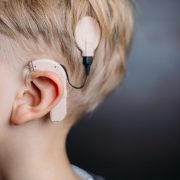
Comfort and visibility are considerations that matter more than ever. Hearing aid form factors range from tiny, nearly invisible in-the-ear devices to behind-the-ear models that balance power with discretion. Smaller devices are appealing for aesthetic reasons, but they may have limitations in battery life or maximum amplification. Behind-the-ear options tend to offer more features and longer operating times, making them appropriate for users with more significant loss or those who prioritise all-day use without frequent charging.
Battery technology is another area where advancements are improving daily life for hearing aid users. Rechargeable options have become widespread, eliminating the need to handle tiny disposable batteries. A typical overnight charge can provide a full day of use, including hours of Bluetooth streaming. For users with dexterity challenges, this simple convenience can make a significant difference in independence and satisfaction.
Professional support remains a cornerstone of successful hearing aid use. An audiologist or hearing professional conducts a thorough hearing assessment, recommends suitable devices, and ensures proper fitting. Real-ear measurements – where microphones verify that the hearing aid delivers the right sound level to your ear – help fine-tune performance. Follow-up care, adjustments, and ongoing monitoring also contribute to long-term success, particularly as hearing can change over time.
Cost is often a concern, but it helps to view a hearing aid as an investment in communication and quality of life. Prices vary widely based on technology level, features, and service packages. Higher-end models with advanced noise management and connectivity will cost more, but many users find the difference in real-world performance worthwhile. Some regions offer insurance coverage, government subsidies, or payment plans that make quality hearing care more accessible.
Choosing the best hearing aid is a process that balances personal needs with technological capabilities. Whether your priority is speech clarity in noisy spaces, seamless smartphone integration, or discreet comfort, today’s devices offer solutions that were unimaginable a decade ago. With professional guidance and thoughtful selection, hearing aids can open doors to richer conversations, fuller social engagement, and more confident participation in everyday life.






Comments