
 By
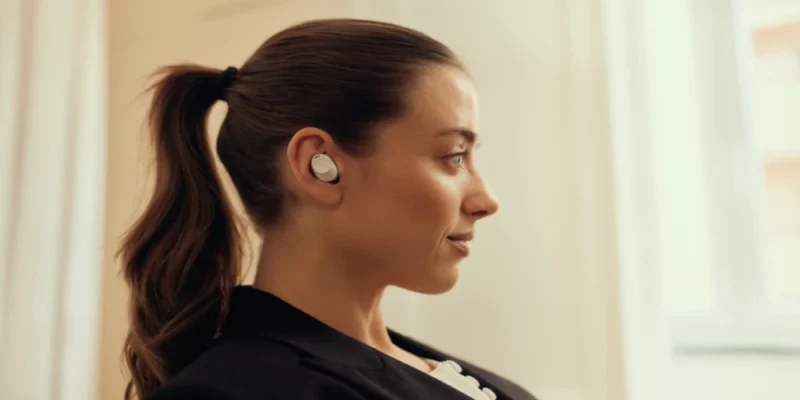
As a health practitioner specializing in therapeutic technology and photobiomodulation, I am always seeking non-invasive solutions to support systemic wellness and sensory function. Red light therapy has gained widespread acclaim in dermatological and muscular health, but its application inside the ear canal represents one of the most innovative developments in auditory care. When I received the opportunity to test the ReHears in-ear red-light device, I was keen to analyze both its physical design and its practical effectiveness. Having consulted with many individuals experiencing persistent ear ringing, auditory strain, and muffled sound perception, I wanted to evaluate whether localized photobiomodulation could offer tangible relief.
My initial impression of the ReHears device was overwhelmingly positive. The earpiece features a streamlined, ergonomic design equipped with custom silicone tips that sit comfortably within the ear canal. Unlike heavy clinical equipment or standard noise-amplifying devices, ReHears is remarkably lightweight, portable, and tailored for effortless home use. Its core function relies on low-level 650 nm red light technology, engineered to target inner ear tissue directly. To test its full potential, I committed to a four-week trial protocol, using the device consistently for 15 to 20 minutes each day.
Understanding the Science Behind In-Ear Red-Light Therapy
To fully grasp why ReHears is so unique, it helps to distinguish cellular therapy from standard sound amplification. Traditional hearing aids function by capturing external noise and broadcasting it at higher volumes. While this can help with volume, it does not alleviate underlying acoustic nerve stress, auditory fatigue, or cellular slowdown in the inner ear. ReHears operates on the principles of photobiomodulation, sending specific light energy deep into ear tissue to nourish auditory pathways at the cellular level.
When the 650 nm red light reaches the inner ear structures, photons are absorbed by mitochondrial enzymes within localized cells. This process stimulates the production of adenosine triphosphate (ATP), cellular fuel necessary for tissue repair, cellular activity, and optimal metabolic function. Concurrently, localized light exposure encourages micro-circulation, bringing fresh oxygen and vital nutrients to tiny ear vessels. For those dealing with tinnitus or acoustic strain, this gentle light energy calms overactive nerve signaling while encouraging natural ear wellness.
Design, Comfort, and Ease of Integration
Any wearable therapeutic device must prioritize comfort if it is to be used daily. ReHears excels in this area thanks to its soft, medical-grade silicone tips that conform easily to the ear canal. The earpiece rests snugly without creating pressure points or uncomfortable tightness, ensuring the light remains aimed correctly throughout each session.
Operating ReHears is incredibly straightforward. It charges quickly via USB and holds enough power for multiple sessions, making it travel-friendly and practical. Inserting the earpiece takes only seconds, and the automated session timer powers down the unit after 15 to 20 minutes, preventing any guesswork. I easily integrated sessions into my morning routine while reading articles or during evening relaxation. Because it is completely hands-free and silent, using it feels smooth and entirely effortless.
My Four-Week Personal Experience and Results
During the first week of testing ReHears, the most immediate observation was a gentle, soothing warmth within the ear canal. The light creates no excessive heat, but the subtle boost in local circulation produced a deeply relaxing effect. By the end of week one, I noticed a marked reduction in end-of-day listening fatigue-that uncomfortable, clogged sensation that often follows long periods of phone calls or exposure to loud ambient noise.
By the second and third weeks, the therapeutic cumulative benefits became increasingly clear. Background humming and faint high-pitched static that typically emerged after high-stress workdays quieted significantly. Speech definition in conversations felt sharper and clearer, allowing me to process voices in busy settings without straining. By week four, my auditory perception felt consistently calm, crisp, and comfortable. My overall experience confirmed that consistent daily sessions deliver meaningful, compounding benefits.
Key Benefits for Daily Auditory Health
Targeted Tinnitus and Ringing Relief
By soothing overactive acoustic nerves and stimulating micro-circulation, ReHears helps quiet persistent buzzing, humming, and ringing, allowing for peaceful days and restful nights.
Sharper Speech Definition and Clarity
Instead of merely boosting overall volume, photobiomodulation supports ear tissue health, helping users follow conversations, TV shows, and group discussions with less strain.
100% Drug-Free and Non-Invasive Care
ReHears offers a safe, gentle alternative to aggressive treatments. It operates without UV radiation, chemical side effects, or expensive clinical visits.
Discreet and Comfortable Daily Routine
With soft silicone tips, long battery life, and automated session timing, the earpiece fits seamlessly into any lifestyle without causing discomfort or disruption.
Where to Buy ReHears?
As a health professional, I evaluate wellness products based on design quality, biological rationale, and practical daily outcomes. ReHears succeeds across all three categories. By delivering calibrated 650 nm red-light therapy directly into the ear canal, it offers a scientifically backed, non-invasive method for reducing auditory strain, soothing ear ringing, and enhancing sound definition.
If you are struggling with tinnitus, auditory fatigue, or muffled hearing perception, this device provides a drug-free, comfortable solution you can use in the comfort of your home.
To ensure you receive a genuine product designed for inner ear relief, order directly from the Official ReHears Store. Buying straight from the manufacturer protects your purchase and gives you access to full customer support.






Comments