
 By
By 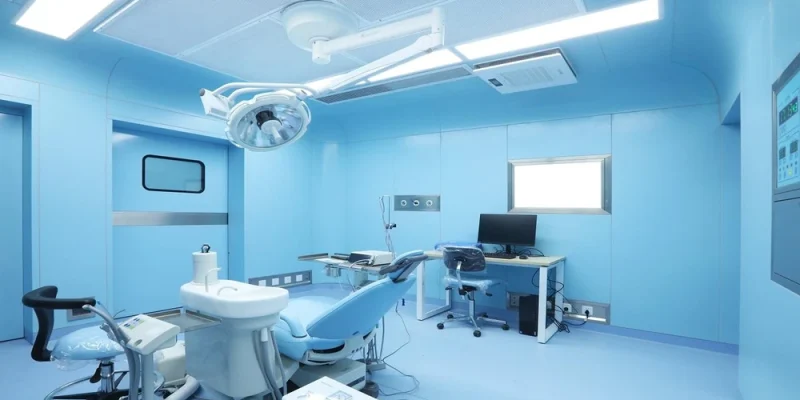
Dental implant procedures have become one of the most reliable solutions for replacing missing teeth, restoring oral function, and improving patients’ quality of life. As implant technology advances, healthcare providers are also focusing on improving the surgical environment to minimize risks and achieve more predictable outcomes.
One of the most effective innovations is the modular oral operating room -a purpose-built surgical space designed to maintain strict hygiene, efficient workflows, and consistent environmental control.
For hospitals, dental specialty centers, and oral surgery departments, modular operating rooms offer significant advantages in supporting safer dental implant procedures while meeting modern healthcare standards.
Why the Surgical Environment Matters in Dental Implant Surgery
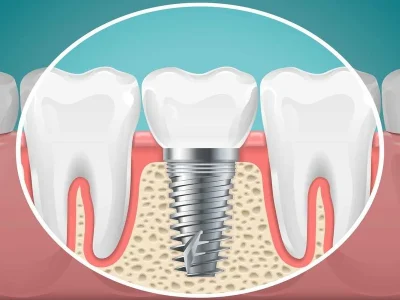
Although dental implant surgery is considered a minimally invasive procedure, it still involves placing a titanium implant directly into the jawbone. Any bacterial contamination during surgery can increase the risk of:
- Surgical site infections (SSI)
- Peri-implantitis
- Implant failure
- Delayed healing
- Additional corrective surgeries
Unlike routine dental treatments, implant procedures require a highly controlled environment to protect both patients and clinicians.
A modular operating room is specifically engineered to reduce environmental risks that traditional treatment rooms may not adequately control.
Enhanced Infection Control
One of the greatest strengths of modular operating rooms is their ability to maintain exceptional infection prevention standards.
These operating rooms commonly include:
- HEPA-filtered air purification systems
- Positive pressure ventilation
- Seamless antibacterial wall panels
- Hygienic ceilings and flooring
- Easy-to-clean integrated surfaces
Together, these features significantly reduce airborne particles, dust, and microbial contamination during surgery.
Cleaner air means fewer opportunities for harmful microorganisms to enter the surgical field, helping protect implant sites during the most critical stages of treatment.
Consistent Airflow Improves Surgical Safety
Dental implant procedures often generate aerosols from surgical drills and irrigation systems.
Poor ventilation allows these aerosols to remain suspended, increasing contamination risks.
Modular operating rooms are designed with carefully engineered airflow systems that continuously remove contaminated air while supplying filtered clean air.
Benefits include:
- Reduced airborne bacteria
- Better aerosol management
- Improved environmental cleanliness
- Greater protection for both patients and surgical staff
Maintaining proper airflow is particularly important during complex implant surgeries, bone grafting, or sinus lift procedures.
Better Organization Supports Surgical Accuracy
Modern modular operating rooms integrate equipment into the room design instead of relying on standalone devices.
Typical integrated systems include:
- Surgical lighting
- Ceiling-mounted equipment pendants
- Medical gas outlets
- Digital imaging displays
- Instrument storage
- Touchscreen control panels
This organized layout reduces unnecessary movement, minimizes clutter, and allows surgeons to access equipment quickly without disrupting sterile technique.
A well-organized operating room enables the surgical team to work more efficiently, enhancing procedural accuracy while lowering the risk of accidental contamination.
Faster Cleaning Between Procedures
Dental implant centers often perform multiple surgeries throughout the day.
Traditional operating rooms may require longer cleaning times because of exposed joints, difficult-to-reach corners, and conventional building materials.
Modular operating rooms feature:
- Flush-mounted components
- Seamless wall connections
- Rounded internal corners
- Chemical-resistant materials
These design elements simplify cleaning and disinfection, enabling faster room turnover without compromising infection control.
Higher operational efficiency benefits both healthcare providers and patients.
Improved Comfort for Patients and Clinical Teams
A stable surgical environment contributes to better patient experiences.
Modular operating rooms maintain:
- Stable temperature
- Controlled humidity
- Low noise levels
- Bright shadow-free illumination
Patients undergoing implant procedures often feel more relaxed in a clean, modern environment, while surgeons benefit from reduced fatigue during lengthy or complex cases.
Ergonomic room layouts also support smoother teamwork among surgeons, nurses, and assistants.
Supporting Regulatory Compliance
Healthcare facilities performing oral surgery increasingly need to comply with international cleanroom and infection control standards.
Modular operating rooms can be designed to support compliance with standards such as:
- ISO cleanroom classifications
- HTM healthcare engineering guidance
- HVAC performance requirements
- Hospital infection prevention protocols
Meeting these standards not only improves patient safety but also strengthens hospital accreditation and quality assurance programs.
Flexible for Future Dental Technologies
Dental implant procedures continue to evolve with innovations such as:
Modular operating rooms offer flexible infrastructure that allows hospitals to integrate new technologies without major structural renovations.
Electrical systems, medical gases, lighting, and communication networks can be upgraded as clinical requirements change, protecting long-term investments.







Comments