
 By
By 
Choosing between clear braces and traditional braces is a common decision for individuals looking to improve their smile. Both options are effective in correcting misaligned teeth, but they differ in appearance, comfort, cost, and overall experience. Understanding these key differences can help patients choose the option that best suits their needs.
Appearance and Visibility
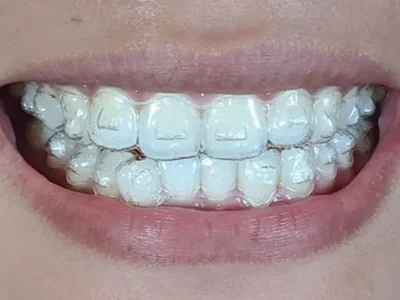
One of the main differences lies in how noticeable the braces are. Clear braces are designed to blend with the natural colour of teeth, making them much less visible. They often use ceramic or transparent materials, which appeal to those who prefer a subtle look. On the other hand, traditional braces use metal brackets and wires, making them more noticeable when you smile or speak. While some people do not mind this, others may prefer a more discreet option.
Comfort and Feel
Comfort is another important factor. Clear braces are generally smoother and cause less irritation to the gums and cheeks. However, they can still create slight discomfort, especially after adjustments. Traditional braces may feel bulkier due to metal components, and they can sometimes cause irritation or soreness, particularly in the initial stages of treatment.
Effectiveness and Suitability
Both clear and traditional braces are effective, but their suitability depends on the complexity of the dental issue. Traditional braces are often recommended for more severe alignment problems because they provide stronger and more precise control over tooth movement. Clear braces are better suited for mild to moderate cases and may take slightly longer in some situations.
Maintenance and Care
Maintaining oral hygiene is essential with any type of braces. Clear braces require careful cleaning to prevent staining, especially since the brackets are lighter in colour. Patients may need to avoid foods and drinks that can cause discolouration. Traditional braces are less likely to stain, but they still require proper brushing and flossing to prevent plaque buildup and tooth decay.
Cost Differences
Cost is another factor that can influence the decision. Clear braces are usually more expensive due to the materials used and their aesthetic appeal. Traditional braces are generally more affordable and widely available, making them a practical choice for many patients.
Treatment Duration
The length of treatment can vary based on individual cases. Traditional braces may work faster for complex corrections, while clear braces might take a bit longer for similar results. However, in many cases, the difference in treatment time is not significant.
Conclusion
Both clear braces and traditional braces have their own advantages and limitations. Clear braces offer a more discreet and comfortable experience, while traditional braces are often more effective for complex cases and are generally more budget-friendly. The best choice depends on the patient’s dental needs, lifestyle, and preferences. Consulting with a qualified orthodontist can help determine the most suitable option for achieving a healthy and confident smile.








Comments