
 By
By 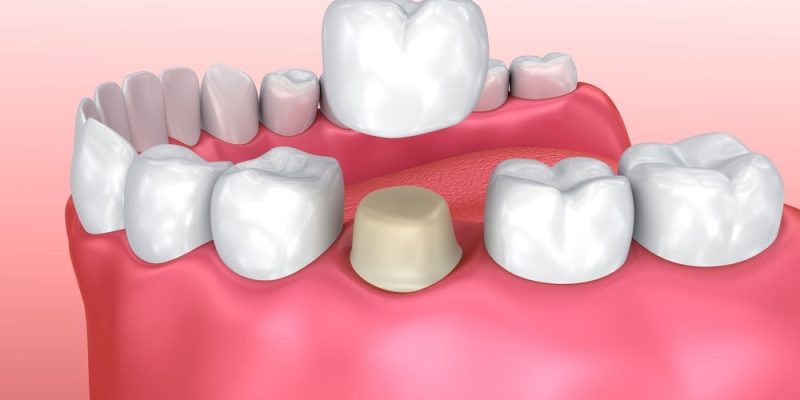
Tooth damage does not always look the same. Some cavities are small and easy to repair, while others affect a larger portion of the tooth and require more protection. One of the most common questions patients ask is whether they need a simple filling or something more extensive, like a dental crown.
The answer depends on how much of the tooth is affected, how strong the remaining structure is, and how the tooth functions in your bite. Understanding the difference between these two treatments can help you make a more informed decision.
What a Dental Filling Does
A dental filling is used to repair small to moderate areas of decay or damage. During the procedure, the dentist removes the affected portion of the tooth and fills the space with a durable material.
Fillings are typically recommended when:
- The cavity is relatively small
- Most of the natural tooth structure is intact
- The tooth can still handle normal chewing pressure
Because fillings restore only the damaged portion, they help preserve as much of the natural tooth as possible.
What a Dental Crown Does
A dental crown covers the entire visible portion of a tooth. It is designed to restore strength, shape, and function when a tooth has been significantly weakened.
Crowns are often recommended when:
- A large portion of the tooth is damaged
- The tooth has cracks or structural weakness
- Previous fillings have failed
- The tooth needs additional support after treatment
Patients considering more extensive restoration often explore crown treatment in Cambridge for damaged teeth when a filling no longer provides enough protection.
Key Differences Between Fillings and Crowns
While both treatments restore teeth, they serve different purposes.
Coverage
A filling repairs a specific area, while a crown covers the entire tooth.
Strength
Fillings are suitable for smaller repairs. Crowns provide added strength when the tooth is weakened.
Longevity
Both options can last many years with proper care, but crowns are often chosen for long-term durability in more complex cases.
When a Filling Is Usually Enough
A filling may be the right choice when the damage is limited and the tooth remains strong.
This often includes:
- Early-stage cavities
- Minor chips or wear
- Areas where most of the tooth structure is still healthy
In these cases, a filling can restore function without significantly altering the tooth.
When a Crown May Be the Better Option
A crown may be recommended when a tooth needs more than a simple repair.
This may include:
- Large cavities that weaken the tooth
- Cracks that risk spreading under pressure
- Teeth that have had multiple fillings over time
- Situations where biting forces could cause further damage
Choosing a crown in these situations helps protect the tooth and reduce the likelihood of future complications.
Why the Decision Matters
Choosing between a filling and a crown is not just about fixing the current problem. It is also about protecting the tooth long term.
A filling placed in a weakened tooth may not provide enough support, which can lead to fractures later on. On the other hand, placing a crown when it is not needed may remove more structure than necessary.
A thorough evaluation helps balance conservation and protection.
What Dentists Consider Before Recommending Treatment
Dentists look at several factors before making a recommendation:
- The size of the cavity or damage
- The amount of remaining tooth structure
- The location of the tooth in the mouth
- Bite pressure and function
- Your overall oral health
These factors help determine whether the tooth can be safely restored with a filling or requires the added support of a crown.
What to Expect from Each Treatment
Fillings are usually completed in a single visit and involve minimal preparation.
Crowns typically require more planning. The tooth is reshaped, impressions are taken, and a custom restoration is placed to fit your bite and appearance.
Both treatments aim to restore function while maintaining comfort.
Maintaining Your Restoration
Whether you receive a filling or a crown, proper care is essential.
Daily habits that help include:
- Brushing twice a day
- Flossing regularly
- Avoiding biting hard objects
- Attending routine dental visits
Good oral hygiene supports the longevity of any restoration.
FAQs About Fillings and Crowns
How do I know if my cavity is too large for a filling?
A dental exam can determine how much of the tooth is affected and whether it can be safely restored with a filling.
Can a filling be replaced with a crown later?
Yes, if a tooth becomes weaker over time, a crown may be recommended to provide additional support.
Are crowns stronger than fillings?
Crowns are designed to protect and reinforce the entire tooth, making them suitable for more extensive damage.
Is getting a crown more time-consuming than a filling?
Yes, crowns typically require more than one visit, while fillings are often completed in a single appointment.
Will I feel discomfort during treatment?
Both procedures are designed to be comfortable. Your local dentist will ensure the treatment is appropriate for your needs.
How long do fillings and crowns last?
With proper care, both can last many years. Longevity depends on oral hygiene and daily habits.
Choosing the Right Option for Long-Term Health
When it comes to restoring a damaged tooth, the goal is not just to fix the issue but to protect it moving forward. Fillings work well for smaller problems, while crowns offer added strength when the tooth needs more support.
A personalized evaluation helps determine the best option based on your specific situation.
If you have been told you may need a filling or a crown, Cambridge Centre Dental Care can help you understand the difference and choose the option that best supports your long-term oral health.









Comments