
 By
By 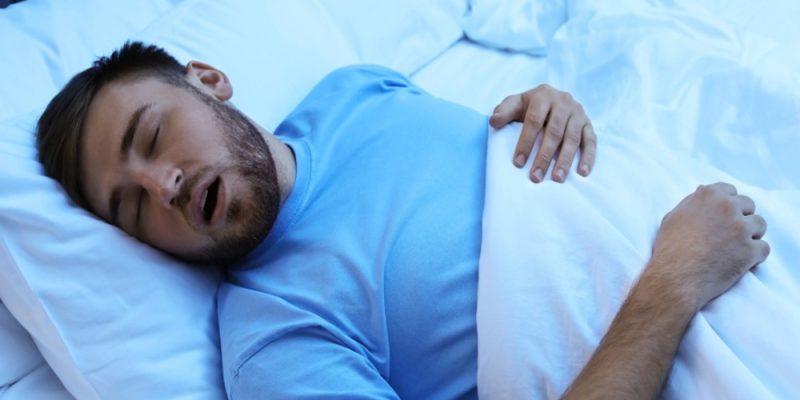
Feeling tired all the time is often blamed on not getting enough sleep. However, for many people, the problem may be sleep apnea, a common but serious sleep disorder. Experts from the University of Alabama at Birmingham (UAB) explain what sleep apnea is, its symptoms, risks, and treatment options.
Sleep is essential for good health. It helps the brain work better, improves mood, and supports the heart, lungs, metabolism, and immune system. Despite its importance, sleep problems are very common, and conditions such as sleep apnea often go undiagnosed. In 2021, the Centers for Disease Control and Prevention reported that three out of four adults in the United States experience symptoms of sleep disorders.
According to Dr. Brian Kinard, a professor at UAB, sleep apnea occurs when a person stops breathing for short periods during sleep or does not breathe deeply enough. One of the most common signs of sleep apnea is loud snoring. The National Council on Aging reports that 94 percent of people with this condition snore. Many individuals with sleep apnea also feel extremely tired during the day. In many cases, a spouse or family member is the first to notice the problem by hearing loud snoring or seeing pauses in breathing during sleep.
There are two main types of sleep apnea. Central sleep apnea occurs when the brain does not send proper signals to control breathing during sleep. Obstructive sleep apnea, the more common type, happens when the muscles in the throat relax too much and block the airway.
Several risk factors can increase the chance of developing sleep apnea. These include being overweight, getting older, having a small or narrow throat, large tonsils or tongue, family history, and hormonal changes such as menopause. Dr. Patricia Patterson, medical director of UAB’s Sleep/Wake Disorders Center, says small lifestyle changes can help reduce symptoms. Maintaining a healthy weight, exercising regularly, sleeping on one’s side, and avoiding sedatives can all make a difference. Obesity is a major cause of obstructive sleep apnea, and weight control can help prevent or improve it.
Doctors usually diagnose sleep apnea with a sleep study, either in a sleep lab or at home, depending on insurance coverage. These studies measure how often breathing slows or stops during sleep.
If left untreated, sleep apnea can lead to serious health problems. These include extreme fatigue, heart disease, stroke, diabetes complications, eye problems, and mental health issues. Treatment often begins with a CPAP machine, which helps keep the airway open during sleep. Lifestyle changes such as weight loss are also important. If CPAP does not work for a patient, other options include oral devices, special sleeping positions, or surgery.
Experts at UAB focus on personalized care, choosing treatments based on each patient’s condition, needs, and lifestyle. With proper diagnosis and treatment, people with sleep apnea can improve their sleep and overall health.










Comments