
 By
By 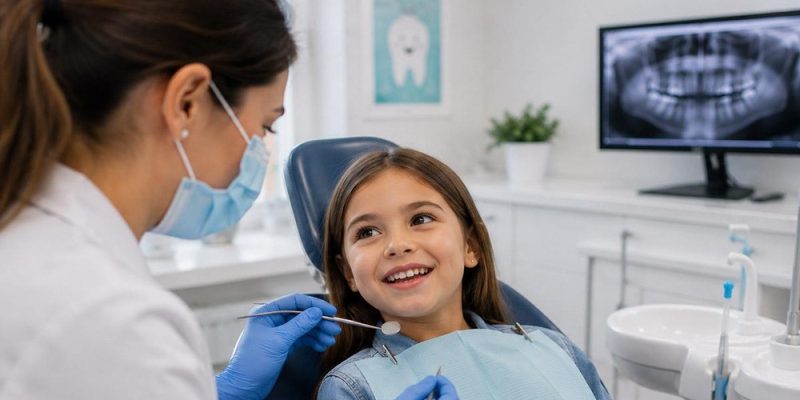
Practical Strategies to Support Lifelong Oral Health at Every Age.
Healthy smiles are the result of good habits. Strong oral hygiene habits developed early in life and reinforced consistently over time play a major role in preventing cavities, gum disease, and other dental problems. While many people think of dental care as an individual responsibility, creating a family-wide approach to oral health can make preventive care more effective, encourage accountability, and help children develop habits that last into adulthood.
Every stage of life brings unique oral health needs. Young children are learning proper brushing techniques, teenagers may be navigating orthodontic treatment and increased independence, and adults often balance busy schedules that can make preventive care easy to postpone. By establishing routines and prioritizing oral health as a family, households can support healthier smiles while reducing the likelihood of costly dental treatments later.
Creating healthy dental habits is not about perfection. Instead, it involves consistency, education, and making oral care an important part of daily life. Through simple strategies and regular professional support, families can build strong foundations for lifelong oral wellness.
At All About Smile Dental Group, comprehensive family dentistry services help patients of all ages maintain healthy smiles through preventive care, patient education, and personalized treatment plans designed to support long-term oral health.
“The dental habits children observe at home often become the same habits they carry into adulthood.”
Start Healthy Habits Early in Childhood
Oral health begins long before a child loses their first baby tooth. Introducing good dental practices early helps children become comfortable with oral care routines and understand that taking care of their teeth is a normal part of everyday life.
Parents and caregivers can support their child’s early oral health by:
- Cleaning infants’ gums with a soft, damp cloth
- Beginning brushing as soon as the first tooth erupts
- Using age-appropriate toothbrushes and fluoride toothpaste
- Supervising brushing to ensure proper technique
- Scheduling regular dental visits according to professional recommendations
Children often learn best through observation. When they see parents and siblings prioritizing oral hygiene, they are more likely to adopt similar behaviors.
Making brushing and flossing positive experiences rather than chores can also encourage cooperation. Simple approaches such as using songs, reward charts, or family brushing routines may help younger children remain engaged.
Early prevention contributes to healthier primary teeth, which play important roles in speech development, nutrition, and guiding permanent teeth into proper positions.
Establish Consistent Daily Oral Hygiene Routines
Consistency is one of the most important factors in maintaining oral health.
Families benefit from creating predictable routines that include:
Brushing Twice Daily
The American Dental Association recommends brushing for two minutes twice each day using fluoride toothpaste.
Effective brushing helps remove plaque, food particles, and bacteria that contribute to cavities and gum disease.
Parents should assist younger children until they have developed sufficient dexterity to brush thoroughly on their own.
Flossing Once Daily
Flossing removes plaque and debris from areas toothbrush bristles cannot easily reach.
Introducing flossing as part of the nightly routine reinforces its importance alongside brushing.
Replacing Toothbrushes Regularly
Toothbrushes should generally be replaced every three to four months or sooner if bristles become frayed.
Maintaining these simple routines consistently provides substantial protection against common dental concerns.
“Healthy smiles are built through small daily habits repeated consistently over time.”
Promote Tooth-Friendly Nutrition Choices
Diet plays a significant role in oral health for both children and adults.
Bacteria in the mouth feed on sugars and carbohydrates, producing acids that contribute to enamel erosion and cavity formation.
Families can support dental health by emphasizing:
Nutritious Foods
Foods that support oral health include:
- Fresh fruits and vegetables
- Dairy products rich in calcium
- Lean proteins
- Whole grains
- Foods containing phosphorus and vitamin D
Limiting Sugary Snacks and Beverages
Frequent exposure to:
- Candy
- Soda
- Sports drinks
- Sweetened juices
- Sticky snacks
may increase cavity risk.
Encouraging Water Consumption
Water helps rinse away food particles, supports saliva production, and, when fluoridated, contributes to enamel protection.
Moderation rather than complete restriction often supports sustainable habits. Teaching children about balanced choices helps foster positive relationships with food while promoting oral health.
Prioritize Regular Dental Visits for Every Family Member
Routine dental appointments remain one of the most effective preventive tools available.
Professional examinations and cleanings help:
- Detect cavities early
- Identify signs of gum disease
- Monitor growth and development in children
- Evaluate orthodontic concerns
- Remove plaque and tartar buildup
- Provide personalized preventive recommendations
Most individuals benefit from dental visits every six months, although some patients may require more frequent evaluations based on their specific needs.
Family dental practices often simplify scheduling by allowing multiple family members to receive care in one location.
Regular visits also help children become comfortable with dental environments, reducing anxiety and promoting positive attitudes toward oral healthcare.
Preventive appointments frequently save families time, money, and stress by addressing concerns before they require extensive treatment.
Encourage Healthy Habits During Adolescence
Teenagers experience increased independence, making the teenage years an important period for reinforcing healthy dental behaviors.
Common adolescent oral health challenges include:
Orthodontic Care
Braces and aligners require careful cleaning to prevent plaque accumulation and enamel damage.
Dietary Choices
Frequent snacking and sugary beverages may increase cavity risk.
Sports Participation
Mouthguards help protect teeth during athletic activities.
Busy Schedules
Academic responsibilities and extracurricular activities can sometimes interfere with consistent routines.
Parents can continue to support their adolescents by:
- Encouraging regular brushing and flossing
- Scheduling preventive appointments
- Discussing the importance of oral health
- Reinforcing positive habits without excessive pressure
Helping teenagers understand the long-term benefits of oral care promotes greater personal responsibility.
Lead by Example as Parents and Caregivers
Children often model behaviors observed within their household.
Parents who prioritize their own oral health send powerful messages about the importance of preventive care.
Demonstrating healthy habits may include:
- Brushing and flossing consistently
- Attending routine dental appointments
- Discussing oral health positively
- Making nutritious food choices
- Addressing dental concerns promptly
Family-wide participation transforms oral hygiene from an individual task into a shared commitment to wellness.
This supportive environment helps reinforce accountability while making healthy habits feel more natural.
Even small actions performed consistently can shape lifelong attitudes toward dental care.
Create Positive Experiences Around Dental Care
Dental anxiety can sometimes interfere with preventive care, affecting both children and adults.
Creating positive experiences helps reduce fear and encourage regular participation.
Strategies include:
- Using encouraging language
- Celebrating successful dental visits
- Choosing family-oriented dental providers
- Preparing children for appointments in age-appropriate ways
- Avoiding negative discussions about dental treatment
A welcoming dental environment focused on education and comfort supports better long-term outcomes.
Positive experiences help children develop confidence and trust in dental professionals, increasing the likelihood that they will continue seeking preventive care throughout adulthood.
Frequently Asked Questions
When should children begin brushing their teeth?
Brushing should begin as soon as the first tooth appears, using a small amount of fluoride toothpaste appropriate for the child’s age.
How often should families visit the dentist?
Most individuals benefit from dental examinations and cleanings every six months, although recommendations may vary.
Why is flossing important?
Flossing removes plaque and food particles from areas between teeth that brushing alone cannot adequately clean.
Can nutrition affect oral health?
Yes. Dietary choices significantly influence cavity risk, enamel health, and overall oral wellness.
How can parents encourage children to brush regularly?
Creating consistent routines, modeling positive behaviors, and making oral care engaging can help children develop healthy habits.
Support Your Family’s Smiles With All About Smile Dental Group
Healthy dental habits established at home and reinforced through professional care provide valuable protection against cavities, gum disease, and other oral health concerns. By prioritizing preventive care and creating positive routines, families can build strong foundations for lifelong oral wellness.
At All About Smile Dental Group, our compassionate dental professionals provide comprehensive family dentistry services tailored to patients of all ages. Through preventive care, patient through education and personalized treatment plans, the practice is committed to helping families maintain healthy, confident smiles for years to come.
If your family is ready to prioritize lifelong oral health, schedule an appointment with All About Smile Dental Group today and take an important step toward creating healthy dental habits that last a lifetime.








Comments