
 By
By 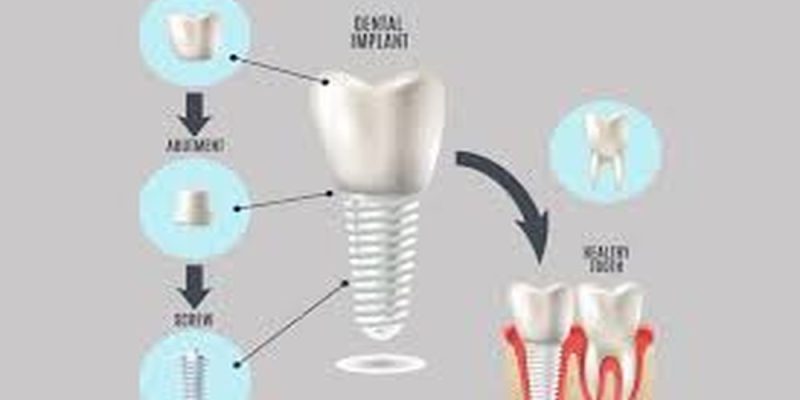
Periodontal treatment is centred on the health of the gums and the surrounding support structures of the teeth. Although many people are well aware of the importance of regular dental check-ups, not as many are aware of the importance of periodontal care. Periodontal disease is often a slow-developing condition that is painless, and therefore often overlooked until it becomes a serious problem. A periodontal clinic is an important part of preventing this from occurring.
This guide will outline what periodontal care entails, what can be expected from a specialist clinic, and the importance of early intervention for gum health.
What Is Periodontal Care?
Periodontal care includes the prevention, diagnosis, and treatment of diseases that affect the gums and bone surrounding the teeth. The most common disease treated is periodontal disease, which varies from mild gum inflammation to severe infection of the bone and tissue.
Whereas general dental care is concerned, periodontal care is more focused on the support of the teeth. Healthy gums and bone are necessary for maintaining healthy teeth. Healthy teeth that lack proper support can become loose over time.
Why Periodontal Disease Requires Special Care
Gum disease may start with symptoms like bleeding gums, mild swelling, or bad breath. Since these symptoms are common and painless, people tend to ignore them and delay treatment. As a result, bacteria start accumulating below the gum line, leading to inflammation and destruction of the bone that supports the teeth.
However, once the bone loss has happened, it is not always possible to reverse it. This is why it is so important to have early diagnosis and treatment by a specialist. Periodontal clinics are set up to deal with these problems using advanced diagnostic tools and treatment protocols.
What Happens During a Periodontal Assessment?
Periodontal examination is more comprehensive than the basic dental examination. It is centred on the measurement of gum and bone health surrounding each tooth. This may involve:
- Measuring the depth of gum pockets
- Checking for bleeding or inflammation
- Evaluation of dental X-rays for bone levels
- Assessing gum recession
- Identifying signs of infection
These results assist in forming a clear understanding of gum health and the treatment process. Every patient is unique, and treatment plans are always tailored.
Common Treatments Provided in a Periodontal Clinic
The treatment will depend on the severity of the condition. Some patients may require non-surgical treatment, while others may require more advanced treatment.
Non-surgical procedures may also involve deep cleaning procedures that eliminate bacteria and hardened deposits from under the gum line. This promotes healing of the gums and reduces inflammation.
In more advanced stages, surgery may be required to reach the areas, repair damaged tissue, or deal with bone loss. The aim is always to stabilize the problem and preserve the remaining teeth.
The Role of Maintenance and Follow-Up Care
Periodontal care does not stop after treatment. Gum disease is a condition that needs to be managed for a long period of time. After the initial treatment, patients normally follow a maintenance program that involves monitoring and cleaning.
These follow-up visits ensure that infection does not recur and that any changes can be detected early. Maintenance is one of the most crucial aspects of effective periodontal treatment and is a key factor in maintaining good oral health.
Education and Patient Awareness
An important aspect of periodontal treatment is education. Patients are taught how to take care of their gums at home. They are educated on how to brush, floss, and live their lives in a way that helps them maintain the results of treatment.
Smoking, stress, certain medical conditions, and oral hygiene practices can all affect gum health. Periodontal clinics offer advice specific to the individual’s risk factors.
Who Benefits Most From Periodontal Care?
Periodontal care is helpful for a broad range of individuals, including:
- Individuals with bleeding or swollen gums
- People with a history of gum disease
- Patients with gum recession
- People with loose teeth or those who experience discomfort while chewing.
- Individuals with dental implants who require specialized monitoring
Early intervention can result in better outcomes and fewer invasive procedures.
Accessing Specialist Periodontal Services
By selecting a periodontal clinic in Sydney, patients can benefit from specialized care from people who have been trained in the field of gum health. This is because specialized clinics are equipped to deal with difficult cases and manage gum conditions. Patients can be referred by a general dentist or come on their own if they feel there is a problem with their gums.
Early treatment can help prevent the problem from becoming worse. Smile Specialists Suite is a Sydney-based periodontal clinic that offers specialized services for gum and supporting tissue disorders. The clinic is dedicated to the assessment, treatment, and maintenance of patients with gum and supporting tissue disorders. Smile Specialists Suite is a patient-centred clinic that offers a relaxed and organized environment for patients seeking periodontal services.






Comments