
 By

A child’s smile changes a lot as they grow, but sometimes the upper jaw needs a little extra help to develop properly. That is where a palatal expander can make a difference. If your child has crowded teeth, a narrow upper jaw, or a crossbite, you may wonder whether there is an ideal age to begin treatment.
Starting at the right time can make the treatment process of a palatal expander easier and support healthier dental development. Parents looking for a reliable provider for orthodontic expanders Marysville can visit Smokey Point Braces. They provide the best orthodontic treatment for children, including palatal expanders.
What Is a Palatal Expander?
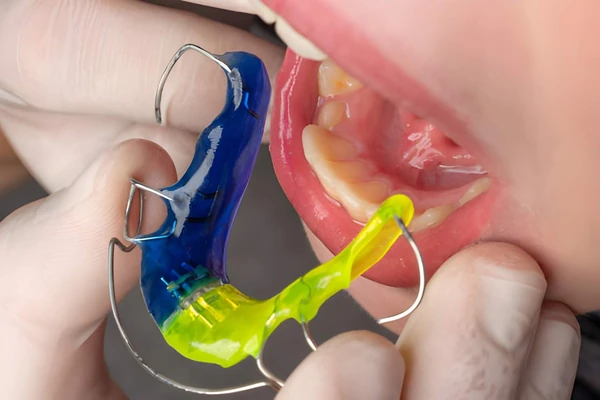
A palatal expander is an orthodontic appliance designed to gradually widen the upper jaw. It creates more room for permanent teeth and helps improve the way the upper and lower teeth fit together.
Your orthodontist may recommend one to address:
- A narrow upper jaw or dental arch.
- Crossbite, where some upper teeth sit inside the lower teeth.
- Crowding caused partly by limited space.
- Certain jaw-development problems that may benefit from early treatment.
Not every child needs an expander, of course. The decision depends on their individual dental development.
What Is the Best Age for a Palatal Expander?
For many children, ages 7 to 10 are ideal for considering a palatal expander, as the upper jaw is still developing. Early treatment may help correct crossbites and create space for permanent teeth. Still, the right timing depends on each child’s jaw development and an orthodontist’s professional assessment.
Can Older Children or Teenagers Use a Palatal Expander?
Yes! Palatal expanders can also be used in older children and teenagers. The main consideration is how much growth remains and how mature the upper jaw has become.
As children grow older, expansion may become more complicated because the bones gradually become less responsive to conventional expansion. Some teenagers may need a different appliance or an alternative treatment approach.
That does not mean treatment is impossible. It simply means the orthodontist needs to choose the method that best suits the patient’s development.
How Do Parents Know When to Seek Advice?
Consider scheduling an orthodontic evaluation if you notice:
- Upper teeth that bite inside the lower teeth.
- Crowded or overlapping permanent teeth.
- A visibly narrow upper dental arch.
- Difficulty getting the upper and lower teeth to fit together comfortably.
The American Association of Orthodontists recommends an initial orthodontic check-up by age 7. This does not mean every child needs treatment at that age; it helps identify problems that may benefit from early attention.
What Should Parents Remember?
The best age for a palatal expander depends on your child’s jaw development, not just their birthday. For many children, the early mixed-dentition years offer a useful window for treatment. An early assessment can help you understand whether expansion is necessary now or whether monitoring is enough.
A little planning can make a real difference. Rather than waiting until all the permanent teeth appear, speak with an orthodontist who can guide your child toward a healthier, more comfortable bite.



Comments