
 By
By 
In modern medicine, the management of breast conditions has become highly coordinated. In Singapore, breast health is increasingly approached through a multidisciplinary model, where surgeons, pathologists, radiologists, and therapists work together. This ensures that from the initial detection of a lump through to rehabilitation, patients are supported by a unified team of specialists.
The Power of Collaborative Diagnosis
The journey begins with the “triple assessment,” which integrates clinical examination, imaging (such as mammograms or ultrasounds), and pathology. In a multidisciplinary setting, communication between the breast surgeon and the pathologist is vital.
When a biopsy is performed, the pathologist analyzes tissue samples to provide a detailed report that helps guide the surgeon. This collaboration ensures that the surgical plan is tailored to the specific biology of the condition. By having these experts work together, teams aim to reduce wait times and the anxiety that often accompanies a diagnosis, allowing for a smooth transition from detection to intervention.
Surgical Precision and Aesthetic Integration
Modern breast surgery in Singapore focuses on both clinical outcomes and the preservation of the patient’s well-being. This is where the coordination between breast surgery and plastic surgery becomes essential. In many specialized clinics, a coordinated approach is utilized.
While the breast surgeon focuses on the precise removal of the affected tissue, a plastic surgeon may simultaneously plan for reconstruction or aesthetic symmetry. This integration of oncoplastic surgery-where cancer surgery is combined with plastic surgery techniques-aims to minimize the number of operations a patient undergoes and supports psychological recovery.
The Role of Post-Operative Recovery
Recovery is a fundamental pillar of multidisciplinary care. In a coordinated system, the recovery team begins their work shortly after surgery, recognizing that healing is both physical and functional.
Specialized breast physiotherapists are integrated into the care pathway to manage post-surgical concerns, such as shoulder stiffness or the risk of lymphedema (swelling of the arm). By involving these specialists early, patients can be guided to regain their range of motion and return to their daily activities. This proactive management ensures that the transition from the hospital to the home is supported by a clear, professional protocol.
A Patient-Centric Approach
The strength of the multidisciplinary model lies in its ability to provide continuous care. Every specialist involved is informed of the patient’s history, surgical details, and recovery goals. This prevents the “fragmentation” of care, where a patient might otherwise feel disconnected between different departments.
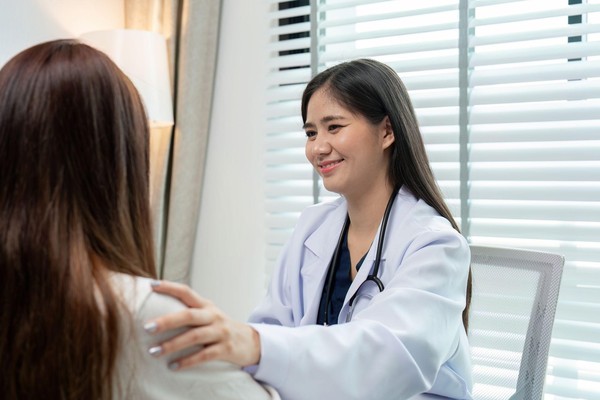
In Singapore’s breast care centers, this philosophy of listening and understanding is central to the consultation process. Whether managing a benign result or navigating a complex diagnosis, the multidisciplinary team provides a supportive framework for women throughout their healthcare journey.
Comprehensive Breast Health Services
At the clinic of Dr. Melanie Seah, patients can access coordinated breast care services. As a Consultant Breast Surgeon with experience in oncoplastic surgery, Dr. Seah works alongside Dr. Timothy Shim, a Senior Consultant Plastic Surgeon, to provide procedures that address both clinical requirements and aesthetic restoration.
Their practice integrates advanced surgical techniques with in-house physiotherapy services to manage post-surgical recovery and lymphedema care. By combining surgical experience with a commitment to patient communication, they offer a seamless care journey for women seeking breast health services.
For more information or to arrange a consultation, visit WC Ong Reconstructive Plastic Surgery.









Comments