
 By
By 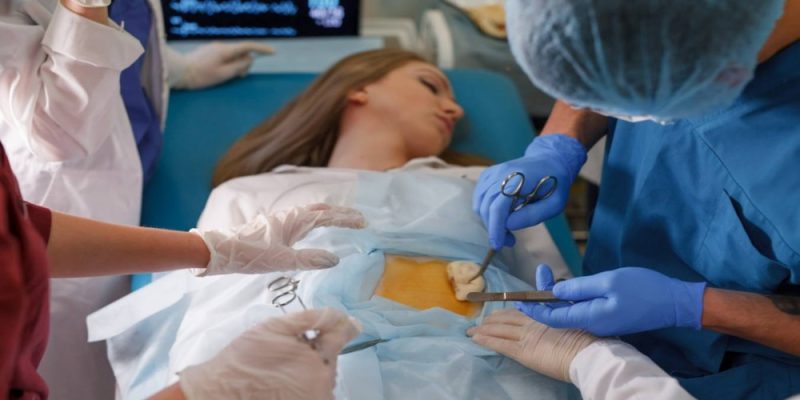
Whether you have made a firm decision or are still weighing your options, understanding what happens at a surgical abortion clinic can help replace anxiety with a sense of control. If you are seeking care in the UK, it is helpful to know that both the NHS and independent providers offer high standards of care.
If you are looking for a women’s health clinic in Harrow or a private clinic for termination of pregnancy, knowing the step-by-step process of a surgical abortion clinic in London will help you feel prepared, supported, and informed.
Understanding Surgical Abortion
A surgical abortion is a safe, minor medical procedure used to end a pregnancy. Unlike a medical abortion (which uses medication to induce a process similar to a miscarriage at home), a surgical abortion takes place entirely within a regulated clinic or hospital.
The procedure is highly effective and categorised primarily by how far along the pregnancy is:
- Vacuum Aspiration: Used typically up to 14 or 15 weeks of pregnancy. It uses gentle suction to remove the pregnancy tissue and takes about 5 to 10 minutes.
- Dilatation and Evacuation (D&E): Usually performed after 15 weeks. It involves using specialised instruments and suction to safely remove the pregnancy.
Step 1: The Initial Consultation
Before any procedure takes place, you will have an initial consultation. This can often be done over the phone or in person at an abortion clinic in London.
During this session, a healthcare professional will:
- Take a thorough medical history.
- Discuss your reasons and confirm your decision (counselling is always available if you want to talk things through).
- Explain the different types of procedures and anaesthetic options.
- Discuss future contraception, as fertility can return almost immediately after a termination.
You will also likely need to attend the clinic for an assessment. This usually includes a blood test to check your rhesus (Rh) factor and an ultrasound scan to accurately date the pregnancy. You will be asked whether or not you wish to see the scan images.
Step 2: Preparing for the Procedure
On the day of your appointment at a private clinic for termination of pregnancy, you should wear loose, comfortable clothing and bring a pack of heavy-flow sanitary towels.
To make the procedure as safe and smooth as possible, your cervix (the neck of the womb) needs to be prepared so that it is soft and relaxed.
- Under 14 weeks: You may be given tablets to swallow or insert vaginally a few hours before the operation.
- Later gestations: The clinic may use tiny dilators inserted into the cervix the day before or the morning of the procedure to gently open it.
If you are having a general anaesthetic or conscious sedation, you will receive strict fasting instructions (usually no food for 6 hours and no clear fluids for 2 hours prior).
Step 3: During the Procedure
When it is time for the procedure, you will be taken to a treatment room or theatre. A nurse or healthcare assistant will remain by your side to offer support.
Your experience will depend on the choice of anaesthetic:
- Local Anaesthetic: You are fully awake. Numbing medication is injected into the cervix. You will not feel sharp pain, but you will likely feel movement and cramping similar to strong period pains.
- Conscious Sedation: Medication is given through a vein to make you feel very relaxed and drowsy, though you remain conscious.
- General Anaesthetic: You are fully asleep and will not be aware of the procedure at all.
The actual surgical process is very quick, usually lasting between 10 and 20 minutes.
Step 4: Recovery and Going Home
After the procedure, you will be moved to a recovery area. Specially trained nurses will monitor your blood pressure and pulse, and provide you with a light snack and drink.
Most women are ready to go home after resting for about 30 minutes to an hour. If you have a local anaesthetic and feel well, you are usually fine to travel home on your own. However, if you choose sedation or a general anaesthetic, you must have a responsible adult accompany you home and stay with you for the first 24 hours.
Before you leave, the clinic will provide you with:
- Post-operative instructions.
- A supply of antibiotics to prevent infection.
- Pain relief advice.
- A 24-hour emergency helpline number.
What to Expect Afterwards
It is normal to experience some cramping and vaginal bleeding for 1 to 2 weeks following a surgical abortion. The bleeding is usually similar to a heavy period and should gradually lighten.
To reduce the risk of infection during your recovery, medical professionals advise that for the first 1 to 2 weeks, you should:
- Use sanitary pads instead of tampons or menstrual cups.
- Avoid penetrative sex.
- Avoid swimming or sitting in baths (showering is perfectly fine).
Most women can return to their normal daily activities within a day or two.
Conclusion
Whether you are looking for a trusted women’s health clinic in Harrow or navigating the options for a specialised surgical abortion clinic in London, remember that you are entitled to confidential, non-judgmental, and high-quality medical care. You can access these services by self-referring directly to providers by speaking to your GP or a local sexual health clinic.
——————————————————————————————————-







Comments