
 By
By 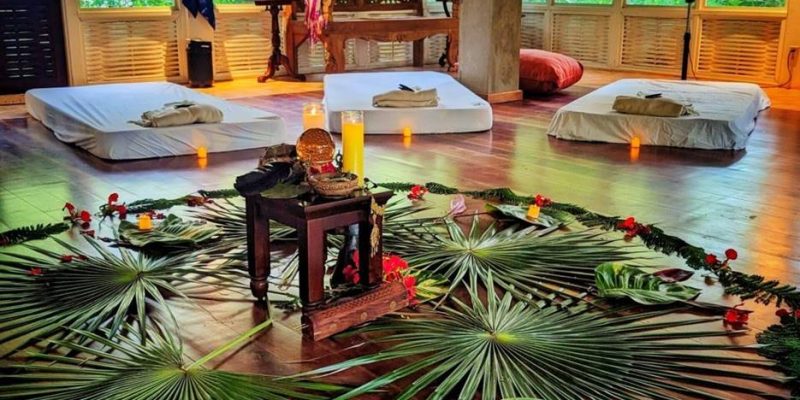
Attending a guided psilocybin retreat can be a profoundly moving experience. From the moment of arrival, participants are often immersed in an environment designed to foster safety, reflection, and inner exploration. Every element—from the natural surroundings to the human connection—works together to support deep transformation and self-discovery.
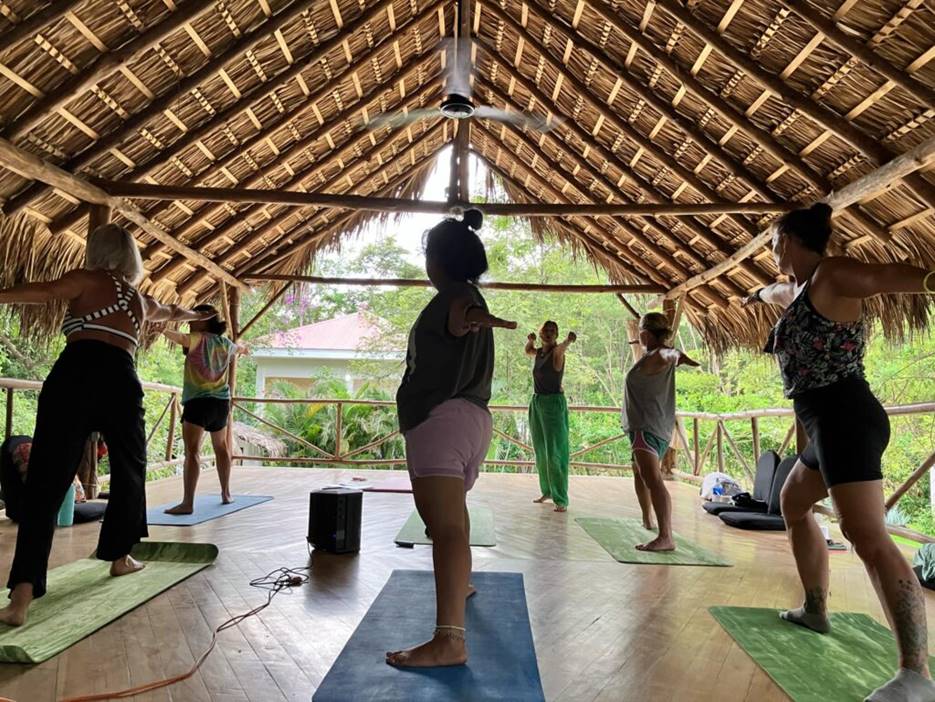
The retreat setting itself plays a significant role. Historic architecture blended with modern comforts creates an atmosphere that feels both grounding and magical. Thoughtfully restored stone villas, serene interiors, and private accommodations offer comfort and privacy, while expansive grounds, swimming pools, yoga spaces, and access to nature invite relaxation and presence. Mountain views at sunrise and sunset often heighten the sense of awe and connection.
Hospitality is typically warm and intentional. Staff members welcome participants with openness and care, creating an immediate feeling of belonging. Meals are nourishing, flavorful, and prepared with attention to individual dietary needs, reinforcing the sense that every detail is designed to support wellbeing.
The Retreat Framework
Well-structured psilocybin retreats are often built around a holistic framework that supports participants before, during, and after the experience. This approach commonly includes preparation, immersion, integration, and long-term growth, ensuring that the journey extends far beyond the ceremonies themselves.
Preparation
The retreat experience usually begins weeks before arrival. Preparation is emphasized as a crucial factor in shaping the depth and outcome of the journey. Participants are encouraged to cultivate a calmer, more intentional lifestyle in advance, often reducing exposure to negative media, limiting stimulants, and incorporating mindfulness practices.
Meditation, breathwork, journaling, and guided reflections are commonly provided to help participants clarify intentions and arrive grounded. Dietary guidance may include eating clean, nourishing foods and reducing or eliminating alcohol and other substances in the days or weeks leading up to the retreat.
Online modules, group discussions, and optional one-on-one support help establish trust and community before participants ever meet in person. Entering the retreat with clear intentions and a regulated nervous system allows for greater openness, safety, and surrender during the experience.
Immersion
Once on retreat, daily activities often include meditation, mindful movement, breathwork, and group connection exercises. These practices help participants settle into their bodies and build a sense of trust within the group.
At the center of the immersion phase are typically two guided psilocybin ceremonies, each lasting several hours. These ceremonies are carefully facilitated and supported by experienced guides who create a safe, sacred container. Live music, ritual elements, and attentive care help participants navigate the experience with confidence.
Group ceremonies often foster a deep sense of shared humanity and connection. This collective bond can amplify feelings of belonging, compassion, and emotional openness, allowing participants to feel supported throughout their journey.
The Science and Benefits of Psilocybin
Psilocybin is a naturally occurring psychoactive compound found in certain species of fungi. It has been used ceremonially by Indigenous cultures for thousands of years for healing, insight, and spiritual connection. Modern science is now validating many of these traditional uses.
How Psilocybin Affects the Brain
Psilocybin primarily interacts with serotonin receptors, especially the 5-HT2A receptor, which plays a role in mood, perception, and cognition. Neuroscience research shows that psilocybin temporarily reduces activity in the brain’s default mode network, a system associated with self-criticism, rumination, and rigid thinking.
At the same time, it increases communication between different brain regions, allowing for new perspectives and insights. Psilocybin has also been shown to promote neuroplasticity, the brain’s ability to form new neural connections.
Following guided ceremonies, this heightened neuroplasticity can last for several weeks. During this window, the brain is more receptive to change, making it an ideal time to establish healthier habits, thought patterns, and emotional responses.
Potential Therapeutic Benefits
Clinical research highlights several promising applications of psilocybin, including:
- Depression and Anxiety: Significant and long-lasting mood improvements, even in treatment-resistant cases
- Addiction Support: Disruption of entrenched patterns related to smoking, alcohol, and substance use
- End-of-Life Distress: Reduced fear of death and increased emotional peace in individuals facing terminal illness
- Creativity and Empathy: Enhanced emotional openness, compassion, and creative thinking
The Importance of Set and Setting
The context in which psilocybin is taken plays a critical role in its effects. A supportive environment, skilled facilitation, and intentional preparation significantly reduce risks while enhancing potential benefits.
Structured retreats provide a carefully designed “set and setting,” combining legal access, expert guidance, natural surroundings, and emotional support. This framework allows participants to explore safely while maximizing therapeutic and transformational outcomes.
The Inner Journey
The psilocybin experience itself often leads participants deep into their inner landscape. Many report uncovering long-buried insights, experiencing profound emotional release, and feeling a deep sense of interconnectedness with themselves and others.
Challenging moments may arise, but experienced facilitators are present to offer reassurance and guidance. This support allows participants to trust the process and fully surrender to the experience.
Music frequently plays a central role in these journeys. Live instruments and vocals can evoke memories, emotions, and insights, helping participants process grief, joy, and healing. Combined with the surrounding natural beauty, music acts as a bridge between intensity and integration, grounding the experience in presence and meaning.
Integration and Long-Term Growth
One of the most important aspects of a psilocybin retreat is integration. Continued support through group calls, coaching, and community connection helps participants anchor their insights during the post-retreat neuroplasticity window.
With guidance and accountability, lessons from the ceremonies can be translated into lasting changes in daily life. Many participants report ongoing improvements in self-talk, emotional resilience, relationships, and professional clarity long after returning home.
Final Reflections
A guided psilocybin retreat can be a deeply meaningful and life-affirming experience. When supported by intentional preparation, expert facilitation, nourishing environments, and ongoing integration, the journey often leads to greater self-acceptance, clarity, and inner peace.
For those feeling called to explore personal growth, emotional healing, or reconnection with themselves and the world around them, a well-structured psilocybin retreat offers a powerful and supportive path toward transformation.











Comments