
 By
By 
Back pain can interrupt a workday, make household chores difficult, or put a weekend walk on hold. The first step is to understand whether the symptoms need medical assessment and then build a plan around the activities you want to regain. A useful approach combines realistic expectations with changes you can manage in daily life.
Describe the pattern before choosing treatment
Note when pain started, where you feel it, and whether it travels into a leg. Mention any fall or other injury and describe how symptoms affect sleep, walking, or work. These details help a clinician decide what needs further assessment.
Write down what you have already tried and whether it helped. A previous episode may offer useful context, but do not assume that every new bout of pain has the same cause. Changes in symptoms deserve a fresh conversation.
Make movement manageable
For many people with uncomplicated back pain, maintaining tolerable activity is part of recovery. This may mean temporarily shortening a walk, dividing chores into smaller tasks, or changing position during desk work. The aim is to find a manageable level rather than forcing a return to your usual routine immediately.
For example, someone who normally walks along the waterfront for an hour might initially choose a shorter route with places to pause. Ask a clinician how to adjust activity if you are unsure about your symptoms or have another health condition.
Understand where hands-on care fits
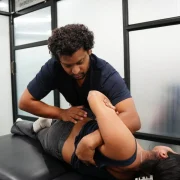
When comparing options for back pain treatment in Collingwood, ask how assessment, symptom management, and exercise will work together. Osteopathic manual care may involve soft tissue techniques or gentle joint movement, depending on the practitioner and the problem being addressed.
NICE guidance recommends considering manual therapy for lower back pain only within a treatment programme that includes exercise. Evidence summarised by the US National Center for Complementary and Integrative Health suggests that spinal manipulation can produce small improvements in back pain and function. That does not establish equal benefits for every osteopathic technique.
Ask what improvement would justify continuing and when the plan will be reviewed. A promise to permanently realign your spine is less useful than a clear explanation of how treatment might help you move more comfortably.
Track progress and recognise warning signs
Choose one everyday measure, such as the length of time you can sit comfortably or how easily you put on your shoes. Review changes over an agreed period. A brief reduction in discomfort after a visit may matter, but the longer-term effect on daily activity is important too.
Seek emergency care for new bladder or bowel control problems, numbness around the groin or buttocks, or severe or worsening weakness in both legs. These symptoms can indicate serious nerve compression. Significant injury, fever, or worsening unexplained pain also warrants prompt medical assessment.
If progress stalls, reconsider the plan with a qualified clinician. The next step may involve a different assessment or approach. Care should help you make practical gains, with a clear reason for each treatment and room to change direction when needed.




Comments