
 By
By 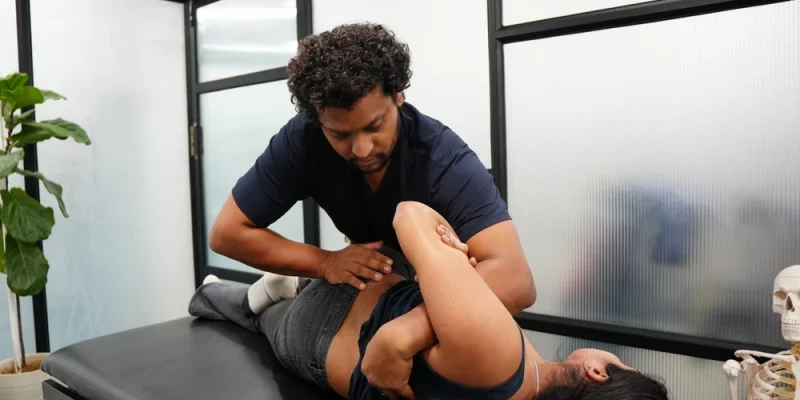
A quick screening followed by an immediate adjustment feels efficient, and for a patient in genuine discomfort, that efficiency is understandably appealing, but skipping a proper assessment trades short-term convenience for a treatment plan built on incomplete information. Singapore chiropractic clinics offering full assessment and treatment approach the relationship between assessment and treatment as inseparable, rather than treating assessment as an optional preliminary step.
Why Full Assessment Should Be Non-Negotiable, Not an Upsell
Some clinics present a comprehensive assessment as a premium add-on rather than a standard first step, which frames genuinely important diagnostic work as optional rather than foundational to safe, effective treatment. A patient should expect a thorough assessment as the baseline standard of care, not as an upgrade offered at additional cost on top of the actual treatment. Framing it as an upsell is itself a reasonable signal worth noticing before committing further.
What a Comprehensive Initial Consultation Actually Covers
A genuinely comprehensive consultation typically includes a detailed history covering the presenting complaint, relevant past injuries, and general health context, alongside a physical examination assessing posture, movement, and the specific area of concern. This groundwork gives a practitioner the information needed to recommend a treatment approach genuinely suited to the individual patient, rather than a generic protocol applied regardless of the specifics involved.
The Difference Between a Full Assessment and a Quick Screening
A quick screening might confirm the general area of discomfort and move directly to treatment, while a full assessment investigates contributing factors, posture, movement patterns, relevant history, that a screening alone would miss entirely. This difference matters because addressing only the immediate symptom without understanding contributing factors often means the same issue recurs once treatment stops. A recurring issue despite regular treatment is often a sign the underlying cause was never actually identified.
How Assessment Findings Should Shape the Treatment Plan
A treatment plan built on genuine assessment findings should be specific to the patient, referencing the actual findings from the consultation rather than presenting a standard protocol that could apply to almost any patient with a similar general complaint. Asking a practitioner to explain how their specific findings led to the recommended plan is a reasonable way to confirm the plan is genuinely tailored rather than a default offered to every patient.
Ongoing Reassessment Throughout a Course of Care
A single initial assessment does not remain relevant indefinitely, and a genuinely thorough clinic periodically reassesses progress throughout a course of care, adjusting the treatment plan based on how a patient is actually responding rather than continuing an unchanged plan regardless of outcome. Clinics offering Singapore chiropractic clinics offering full assessment and treatment that skip this ongoing reassessment risk continuing an approach that is not actually working, simply because no one has checked.
What Treatment Modalities a Full-Service Clinic Might Offer
Beyond manual adjustment, a full-service clinic might offer complementary approaches, soft tissue therapy, targeted exercise guidance, or other modalities suited to a specific condition, rather than relying on a single technique for every presenting issue. A clinic with a broader range of appropriate tools available is generally better positioned to genuinely tailor treatment to the individual patient rather than fitting every patient into one standard approach.
Coordinating Care With Other Healthcare Providers
A patient with a more complex presentation sometimes benefits from coordinated care between a chiropractor and another healthcare provider, and a full-service clinic should be comfortable communicating with other providers involved in a patient’s care rather than operating in isolation. This willingness to coordinate, rather than treat every case as entirely self-contained, reflects a genuinely patient-centred approach to care. It is a reasonable thing to ask about directly during an initial consultation.
Setting Realistic Expectations for Treatment Timelines
A responsible practitioner sets a realistic expectation for how long a course of treatment might reasonably take, based on the specific condition and assessment findings, rather than an overly optimistic timeline offered simply to encourage a patient to commit. Patients should feel comfortable asking directly what timeline is realistic and what specific signs of progress they should expect to notice along the way.
What Good Communication Looks Like Throughout Treatment
Good communication throughout a course of care means a practitioner explains what they are doing and why at each stage, checks in on how a patient is genuinely responding, and adjusts the approach openly when something is not working as expected. A patient who feels informed and involved throughout treatment is generally receiving a higher standard of genuinely patient-centred care than one who is simply told to trust the process.
Choosing a Clinic That Treats the Whole Picture
Prioritising thorough assessment, tailored treatment, ongoing reassessment, and genuine communication together produces a considerably more effective course of care than a quick, generic approach focused purely on immediate symptom relief. Choosing among Singapore chiropractic clinics offering full assessment and treatment with this whole picture in mind, rather than convenience alone, tends to produce a better outcome over the full course of care.









Comments