
 By
By 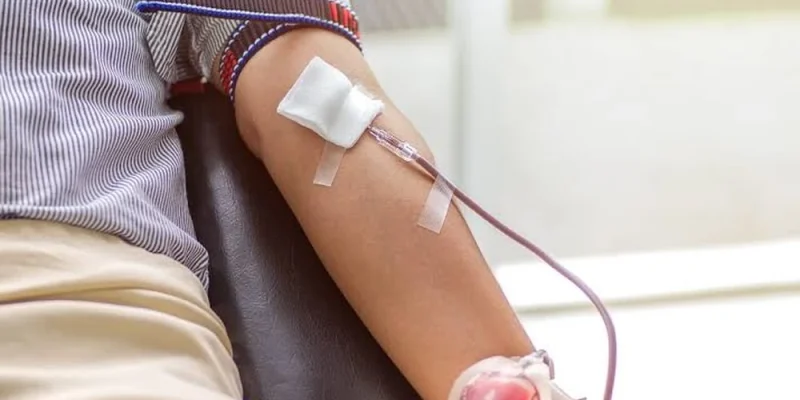
Key Takeaways
The plasmapheresis process is straightforward. It involves drawing blood from a donor, separating it into various components, and ultimately collecting plasma. This entire procedure typically takes about 1.5 to 2 hours. Remarkably, each donation can assist up to 30 patients in need of medical assistance.
Proper preparation is essential for plasma donation. Staying hydrated, consuming a protein-rich meal, and getting enough sleep can help prevent faintness, making for a smoother donation experience.
A pre-screening assessment is conducted to ensure eligibility. This includes reviewing medical history and measuring hemoglobin levels, all aimed at protecting the donor’s health.
Plasma serves a vital function in therapies aimed at treating hemophilia, immune deficiencies, and severe conditions like autoimmune diseases. This underscores the urgent global demand for donations.
Donors can also reap health benefits from regular plasma donation. It heightens personal health awareness and creates a sense of belonging and community involvement.
Donating plasma is safe and closely monitored. Most donors experience minimal discomfort and can quickly return to their daily activities afterward.
Post-donation care is crucial. Replenishing fluids and proteins is necessary; staying hydrated and enjoying a balanced meal will aid in recovery. Monitoring any unusual reactions is equally important.
The Plasma Donation Experience: What First-Timers Should Know
Understanding the Plasmapheresis Process
The plasmapheresis process forms the backbone of plasma donation. Blood is drawn from the donor’s arm, then separated into its components: red blood cells, white blood cells, platelets, and plasma. Only plasma is collected, while the other components are returned to the donor. It’s efficient – usually, the whole procedure requires about 1.5 to 2 hours, a small sacrifice for a significant contribution.
An interesting fact that often surprises first-time donors is that plasma consists of around 90% water. The remaining 10% contains proteins, electrolytes, hormones, and waste products critical for various bodily functions. This highlights the importance of plasma donation for medical treatments. The sheer demand for plasma in therapies is astonishing. Current statistics indicate that a single plasma donation can support as many as 30 patients.
Why Preparation is Key for New Donors
Preparing for the first time plasma donation should be taken seriously. Experts advise maintaining proper hydration and consuming a balanced meal packed with protein and iron before the appointment. Why is this so important? Dehydration or poor nutrition can lead to feelings of faintness or fatigue during the donation, which can be quite unpleasant.
To ensure readiness, consider these pointers:
- Drink lots of water – aiming for at least two to three liters the day before.
- Indulge in a protein-rich meal to enhance energy levels.
- Aim for six to eight hours of sleep to remain alert during the procedure.
What Happens During Your First Visit
Upon arriving at the donation center, donors typically participate in a brief pre-screening. This assessment encompasses a review of medical history and a physical check, often involving a finger-stick to gauge hemoglobin levels. It’s not as daunting as it sounds. The objective is simple: ascertain whether the donor is healthy enough to donate plasma.
Once eligibility is confirmed, the donation process will begin. Comfort is prioritized – donors can enjoy watching TV, using their phones, or simply unwinding. A nurse will insert a needle into the arm, and as plasma is extracted, it collects in a sterile bag. Completing the visit can leave donors with a profound sense of accomplishment, knowing their contribution serves critical medical needs.
Benefits of Donating Plasma: More Than Just Helping Others
Impacting Lives: The Global Need for Plasma
There’s an increasing demand for plasma products. Millions worldwide depend on therapies derived from plasma, and this isn’t merely a statistic-it’s a vital lifeline. Clotting factors for hemophiliacs and immunoglobulins for individuals with immune deficiencies are made possible thanks to donations.
Moreover, plasma is utilized in new treatments for severe conditions like autoimmune diseases and liver failures. As healthcare evolves, so does the demand for plasma donations. So, why not partake in a life-saving solution?
Health Benefits of Regular Plasma Donations
Donating plasma goes beyond altruism; it can offer significant health benefits to donors. Research indicates that regular donations might help in regulating blood pressure and other health metrics. By engaging in this process, donors increase awareness of their own health through routine screenings.
This involvement can also enhance community participation, diminishing feelings of isolation and encouraging ongoing engagement in wellness practices. Who wouldn’t want a little boost to their overall health?
- Regular screenings can identify undiagnosed health issues early on.
- Donors frequently express a stronger connection to their community.
- Studies hint at potential metabolic benefits stemming from the donation process itself.
How Plasma Donation Contributes to Medical Research
The role of plasma donation in medical research is vital. Scientists depend on plasma to carry out studies that lead to innovative treatments and potential cures. By joining donation programs, individuals contribute to immediate healthcare necessities as well as advancing research that saves lives.
Moreover, plasma samples are crucial for developing therapies for diseases currently deemed incurable. They help ensure that future generations have access to effective medical treatments. Many donation centers also participate in clinical trials, further allowing plasma to facilitate groundbreaking research.
“Every plasma donation is a step toward tomorrow’s innovation in medicine.”
Common Myths and Misconceptions About Plasma Donation
Separating Fact from Fiction in Donation Safety
One of the most persistent myths around plasma donation is that it poses significant risk. In fact, plasma donation is highly regulated, with established safety protocols in place. Centers must comply with strict guidelines to ensure donor safety, with regulations set by organizations like the FDA aimed at protecting both donors and recipients.
Concerns about needles and potential side effects are common. While some discomfort during needle insertion is expected, severe adverse effects are rare. The body’s resilience allows it to compensate for the fluid lost during the donation.
Addressing Fears: Pain Levels and Recovery Time
Contrary to popular belief, the discomfort associated with donation is minor. Most donors report only slight pain from the needle insertion. After the procedure, many feel perfectly fine shortly after leaving the center. Typically, any fatigue or lightheadedness dissipates quickly.
Donors may wonder about recovery time. Generally, individuals can resume their normal activities almost immediately. Still, avoiding heavy exercise or strenuous work for the day is advisable. After donating, it’s wise for donors to rest, hydrate, and refuel their bodies.
Understanding Eligibility: Who Can Donate?
Eligibility requirements can differ by location, but fundamental guidelines exist. Generally, successful donors need to be at least 18 years old, weigh over 110 pounds, and meet basic health criteria. The pre-screening process is designed to ensure safety for everyone involved.
Individuals with specific medical conditions or on certain medications may be deferred from donating. The goal is to maintain high safety standards while maximizing potential donors. Being informed about these criteria can help alleviate any apprehensions about the donation process.
- Review age and weight requirements prior to beginning the donation process.
- Understand any medications that might affect eligibility.
- Discuss any medical history that may raise concerns with the staff.
Post-Donation Care: Ensuring a Smooth Recovery
Nourishing Your Body After Donation
Post-donation care is essential for an effective recovery. After plasma donation, the body requires replenishment of lost fluids and proteins. Experts recommend indulging in a balanced meal after donating. Adequate protein intake is crucial, as it assists tissue repair and bolsters immune function.
Staying hydrated is equally critical. Drinking plenty of fluids in the hours following donation is beneficial. Typically, options like coconut water, fruit juices, or electrolyte drinks can offer necessary hydration. A nutrient-rich intake can expedite recovery, getting donors ready for their next appointment.
Recognizing Normal vs. Abnormal Reactions
Post-donation reactions can vary widely among individuals. While some may experience minor lightheadedness or slight bruising at the needle site, it’s important to be aware of signs that might indicate an abnormal reaction. Symptoms such as severe dizziness, persistent headaches, or unusual swelling should prompt immediate communication with health professionals at the donation center.
Awareness is essential. Donors should feel empowered to know what to expect after giving plasma. Being equipped with knowledge contributes significantly to peace of mind. Safety is imperative, and donors should never hesitate to reach out if something seems amiss.
Next Steps: How to Stay Engaged with the Plasma Community
Engagement with the plasma donation community can significantly enhance the overall experience. Many centers offer programs that educate donors about the impact of their contributions. Connecting with this community can provide insights into how plasma is utilized and help foster relationships with fellow donors.
Some donors discover they find it enriching to take part in educational events or outreach efforts, raising awareness about the importance of plasma donation. Social media often features updates from donation centers, promoting a sense of connection and supporting efforts to spread the word. So why not engage in something meaningful?
- Follow local donation centers on social media for updates.
- Participate in community outreach initiatives or educational programs.
- Consider scheduling regular donation appointments to establish a routine.
The act of donating plasma provides profound benefits-both personal and collective. Each first-time plasma donation makes a substantial contribution to patient care and advances in medical science. This altruistic act can transform ordinary individuals into heroes within their communities.
FAQ
How often can someone donate plasma?
The frequency of plasma donation can differ by location and individual health status, but most guidelines recommend donations once every 28 days. This timeframe ensures the body has adequate time to replenish plasma levels while safeguarding the donor’s health.
What types of conditions can plasma donation help treat?
Plasma donations are critical in supporting treatments for various conditions, including hemophilia, immune deficiencies, liver ailments, and severe burns. The diverse therapies produced from plasma are essential for individuals who depend on them for survival and improved quality of life.
Are there different methods for collecting plasma?
Yes, there are various methods, such as manual plasma collection and automated plasmapheresis. The latter is more commonly used due to its efficiency, allowing for precise separation of plasma from other blood components while returning the remaining elements back to the donor.
How is plasma stored and transported after donation?
After donation, plasma is typically refrigerated or frozen to maintain its integrity. Transport protocols are stringent, ensuring that plasma remains within safe temperature ranges, which preserves its effectiveness for medical applications.
Can donating plasma affect my medication regime?
Certain medications may impact eligibility, but this shouldn’t discourage potential donors. Consulting health professionals about current medications can provide clarity and ensure safe donation practices.
What are the long-term health benefits of donating plasma?
Ongoing plasma donation can enhance overall health metrics. Donors often become more aware of their health through regular screenings, which can help identify undiagnosed conditions, ultimately fostering long-term wellness.
What are the best practices for preparing for donation day?
Preparation can greatly enhance the donation experience. Staying hydrated, enjoying a nutritious meal rich in protein and iron, and getting sufficient rest the night prior can increase energy levels and overall well-being.
Can first-time donors bring someone with them to the donation center?
Absolutely! First-time donors are often encouraged to bring a friend or family member for support. Having someone present can alleviate anxiety and create a more positive atmosphere during the donation process.







Comments